Skip to content
SIMULACRA

DISCOVER

References beyond the current archive.

Nothing here is part of the collection. Each one is shown with the signals it holds in common with SIMULACRA and the entries those signals lead to, so the reason it appears can be followed and disagreed with. Distance is read off the archive graph, not scored.

DISCOVERED08 PLATES

DISCOVEREDARCHITECTURENEAR
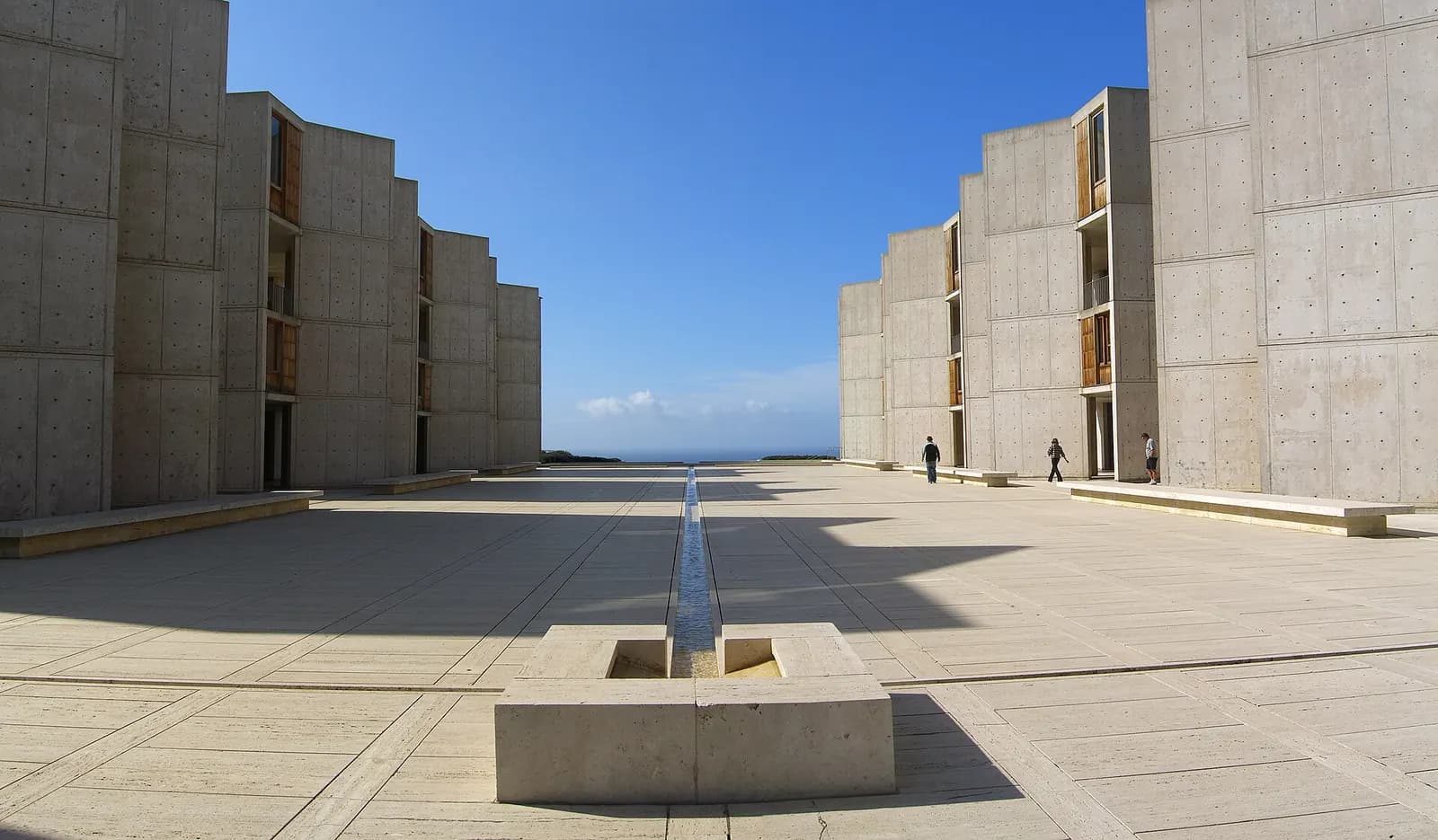
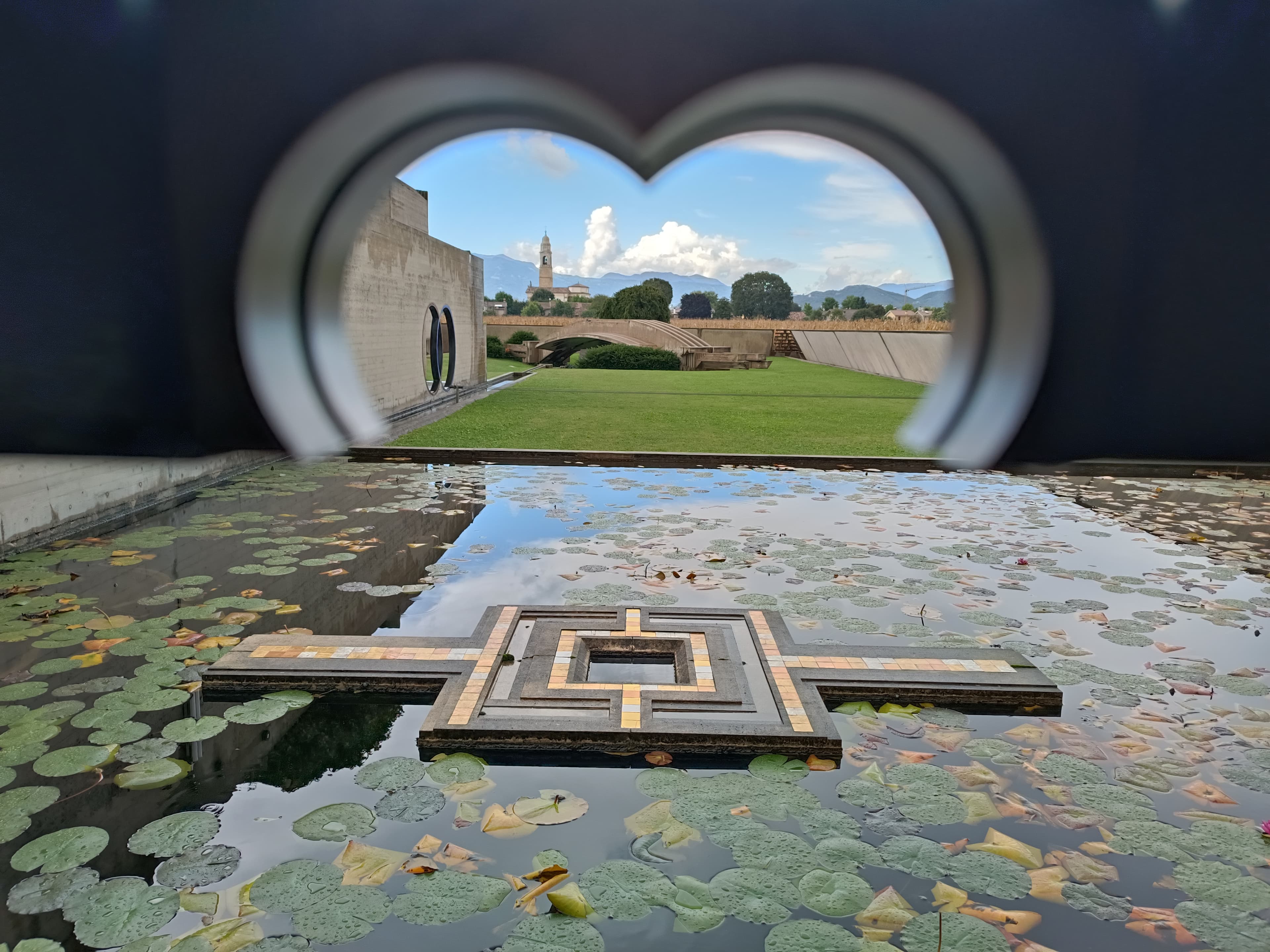
Salk Institute

PHOTOGRAPH Jason Taellious / Wikimedia Commons / CC BY-SA 2.0Cropped for layout; this adapted presentation is offered under the same licence.

Salk Institute

Louis Kahn · 1959–1965

The archive already holds three buildings that use light as a material and a walk as a structure. Kahn is where that logic is most severe: a travertine court emptied of everything so a single channel of water can point at the horizon, and concrete poured with the joints left legible rather than ground away, which is the same argument Scarpa makes at Brion at a smaller scale.

SOURCEsalk.edu

DISCOVEREDARCHITECTURENEAR

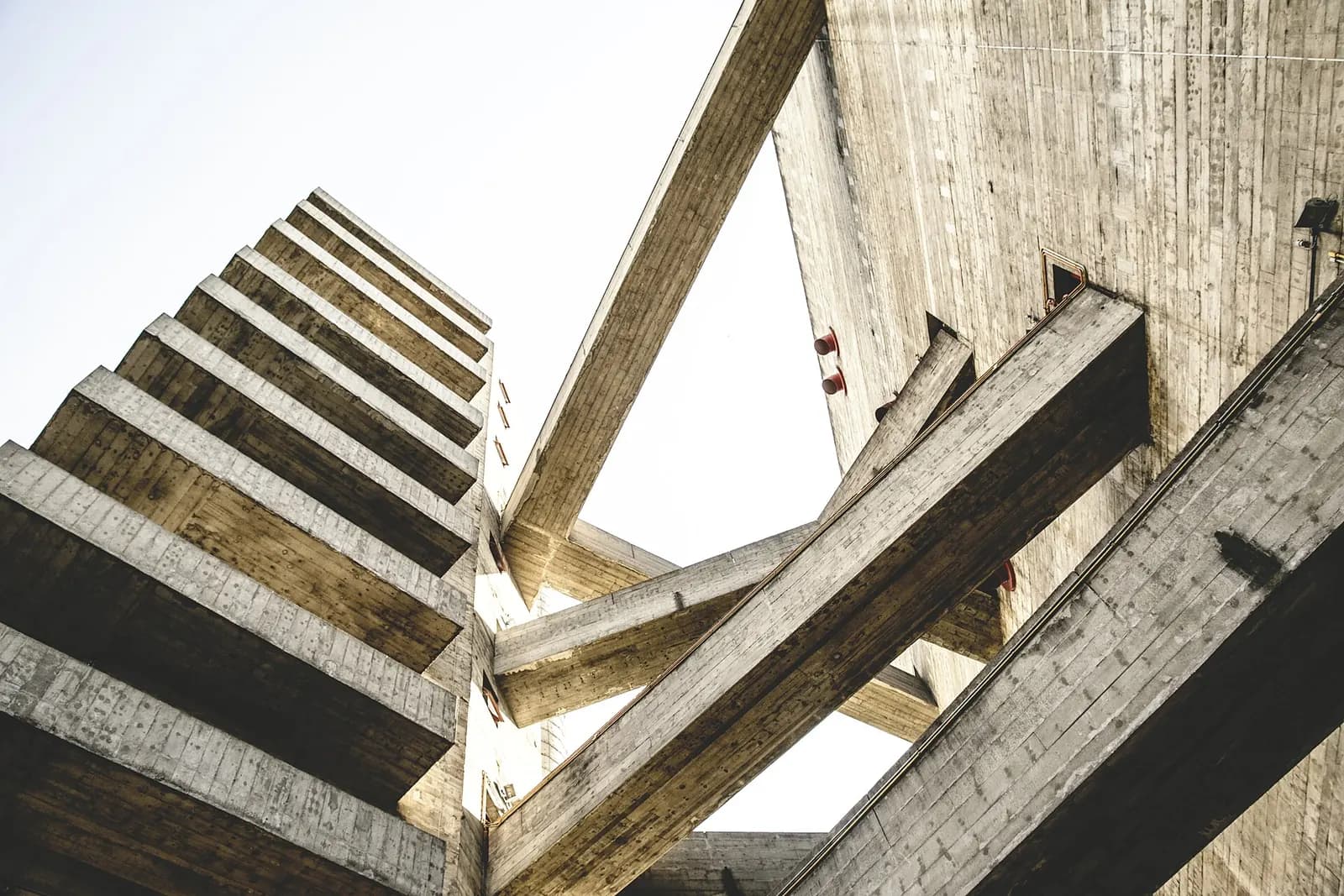
SESC Pompéia

PHOTOGRAPH Clarissa Sá / Wikimedia Commons / CC BY-SA 4.0Cropped for layout; this adapted presentation is offered under the same licence.

SESC Pompéia

Lina Bo Bardi · 1977–1986

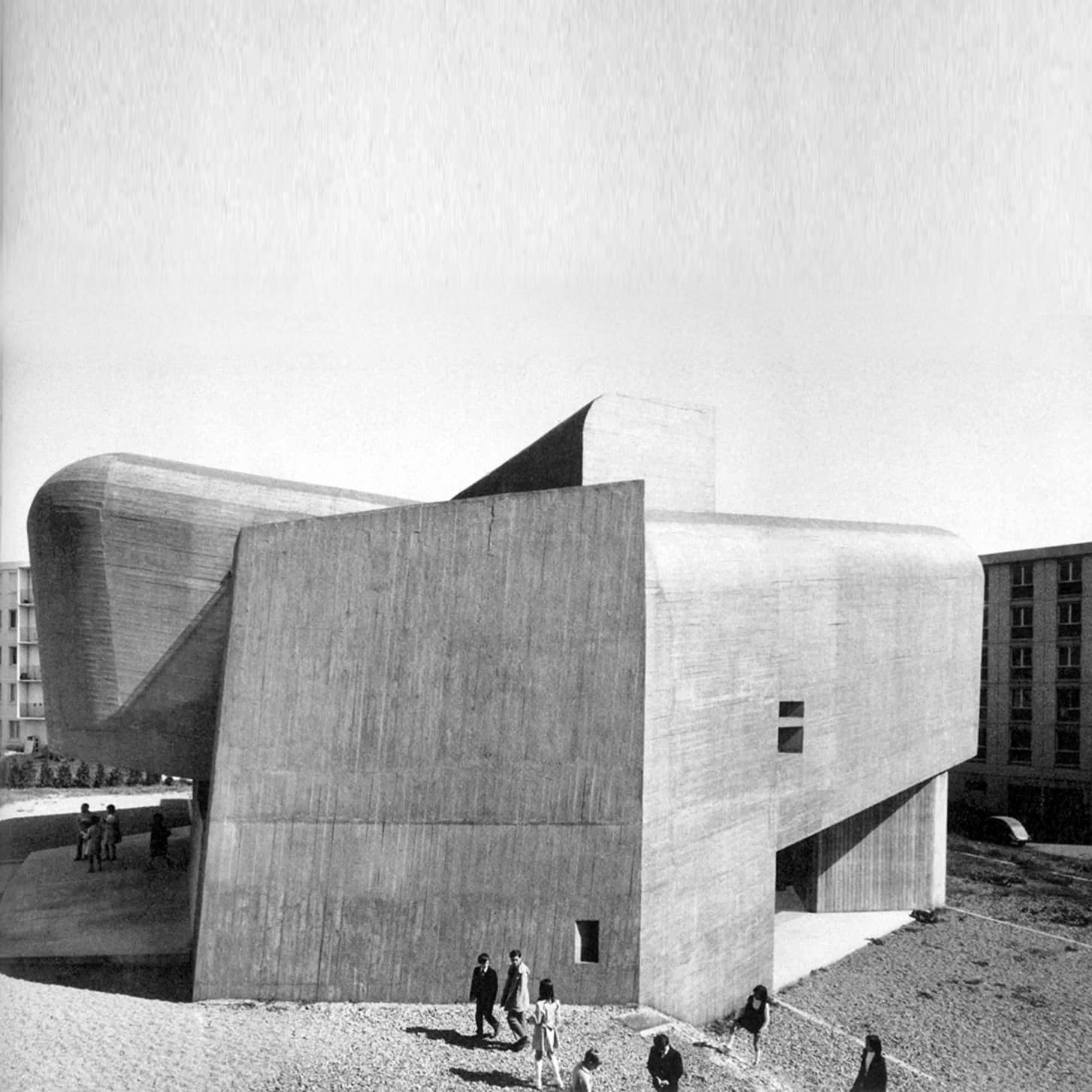
Sainte-Bernadette is a concrete bunker built for worship; SESC is a concrete factory converted for leisure, with raw block towers joined by aerial walkways and irregular punched openings. The archive's brutalism is consistently monastic or defensive. This is the same material and the same severity used for pleasure, which is the gap in the collection.

SOURCEsescsp.org.br

DISCOVEREDINTERIORSADJACENT

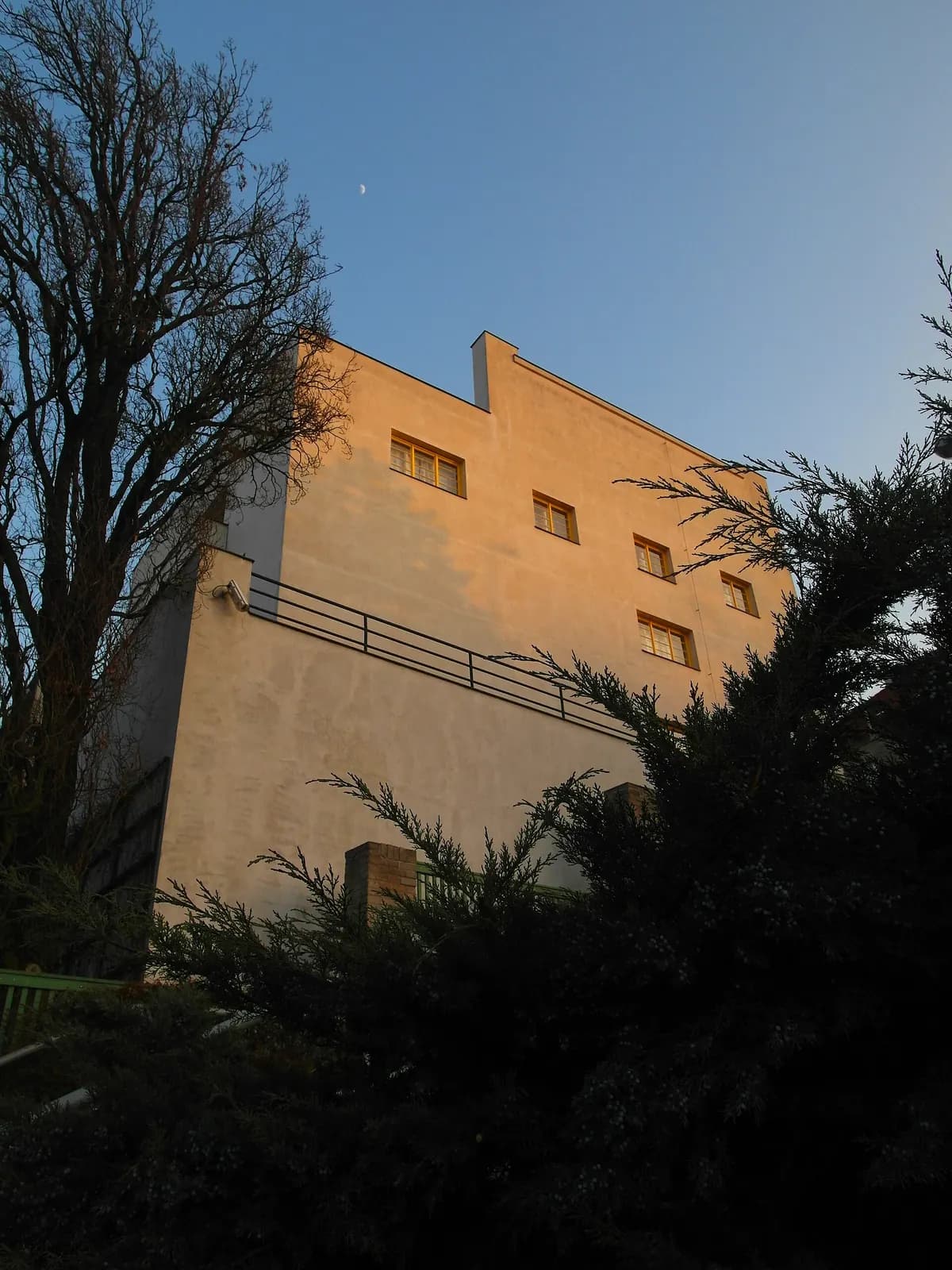
Villa Müller

PHOTOGRAPH Zikmundlender / Wikimedia Commons / CC BY-SA 4.0Cropped for layout; this adapted presentation is offered under the same licence.

Villa Müller

Adolf Loos · 1930

INTERIORS holds two entries and is the thinnest part of the archive. Loos's Raumplan is the origin of the idea both of them depend on: rooms set at different heights and linked as a sequence, with a plain exterior and rich stone inside. Judd's floors at Spring Street are the same proposition stripped of the marble.

SOURCEen.muzeumprahy.cz

DISCOVEREDINTERIORSADJACENT

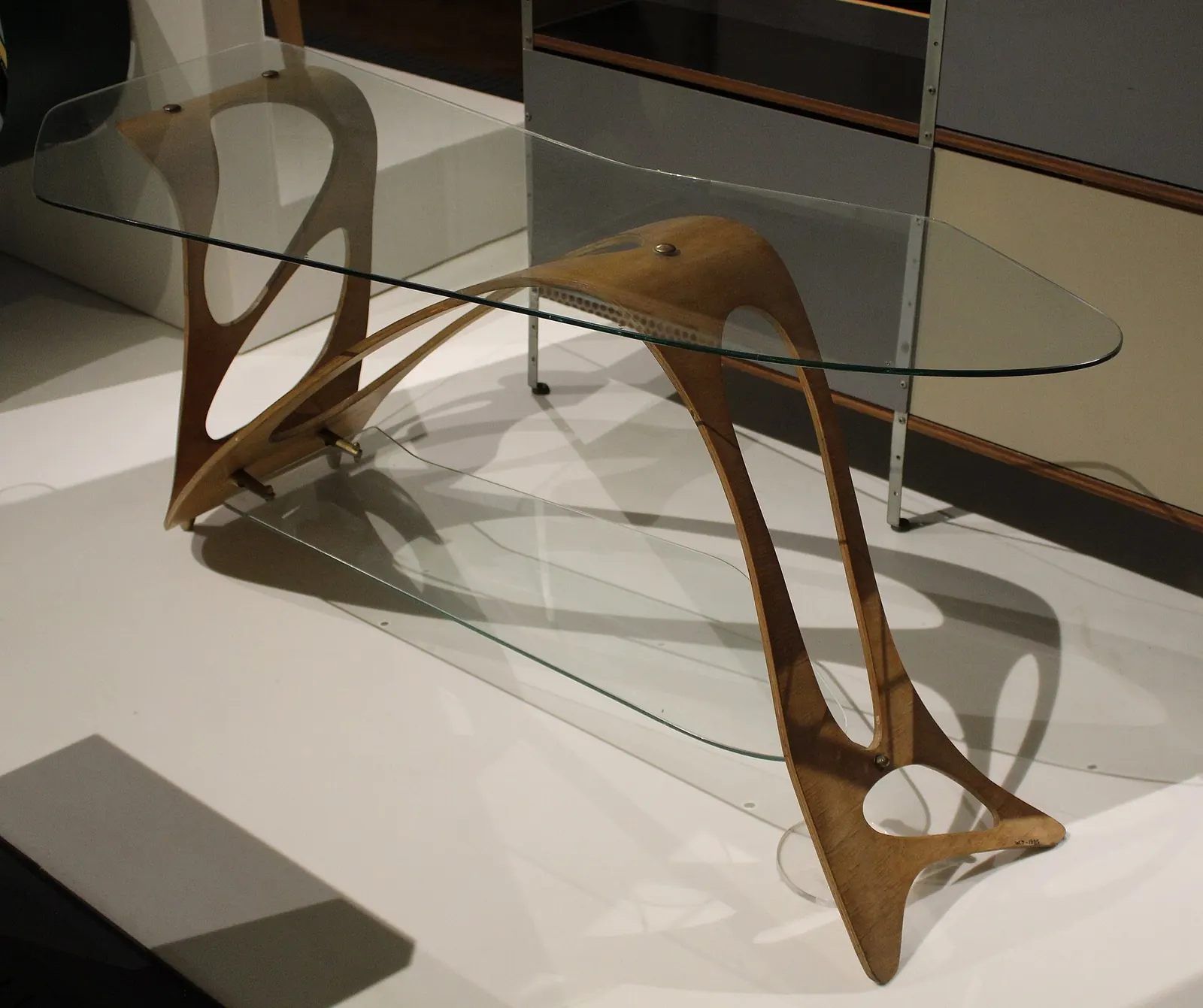
Arabesque table, 1949. Casa Mollino's own interiors are photographed only under licence, so the plate is the furniture the apartment was built around.

Arabesque table, 1949. Casa Mollino's own interiors are photographed only under licence, so the plate is the furniture the apartment was built around.

PHOTOGRAPH 14GTR / Wikimedia Commons / CC0Cropped for layout.

Casa Mollino

Carlo Mollino · 1960–1968

The Severe Futurism formula reserves ten per cent for something strange or sensual and warns that without it the first two layers make a bunker. Mollino is what that ten per cent looks like at full strength: an apartment assembled as a private ritual, lacquered and mirrored, never lived in. E-1027 is the archive's only other entry holding sensual-modernism, and this is its opposite temperament.

SOURCEcasamollino.com

DISCOVEREDINTERIORSADJACENT

Maison Tropicale

PHOTOGRAPH Jim Linwood / Wikimedia Commons / CC BY 2.0Cropped for layout.

Maison Tropicale

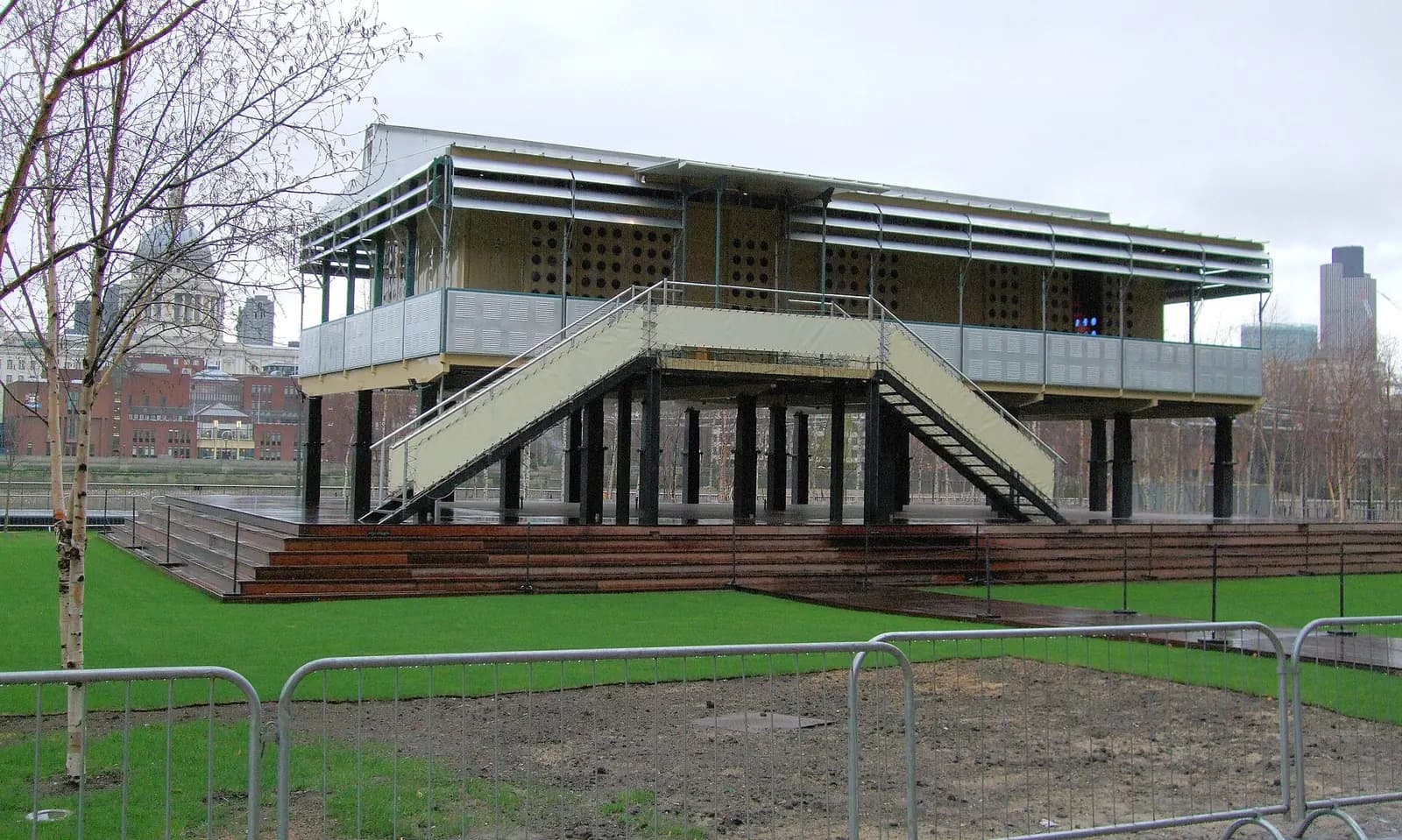
Jean Prouvé · 1949–1951

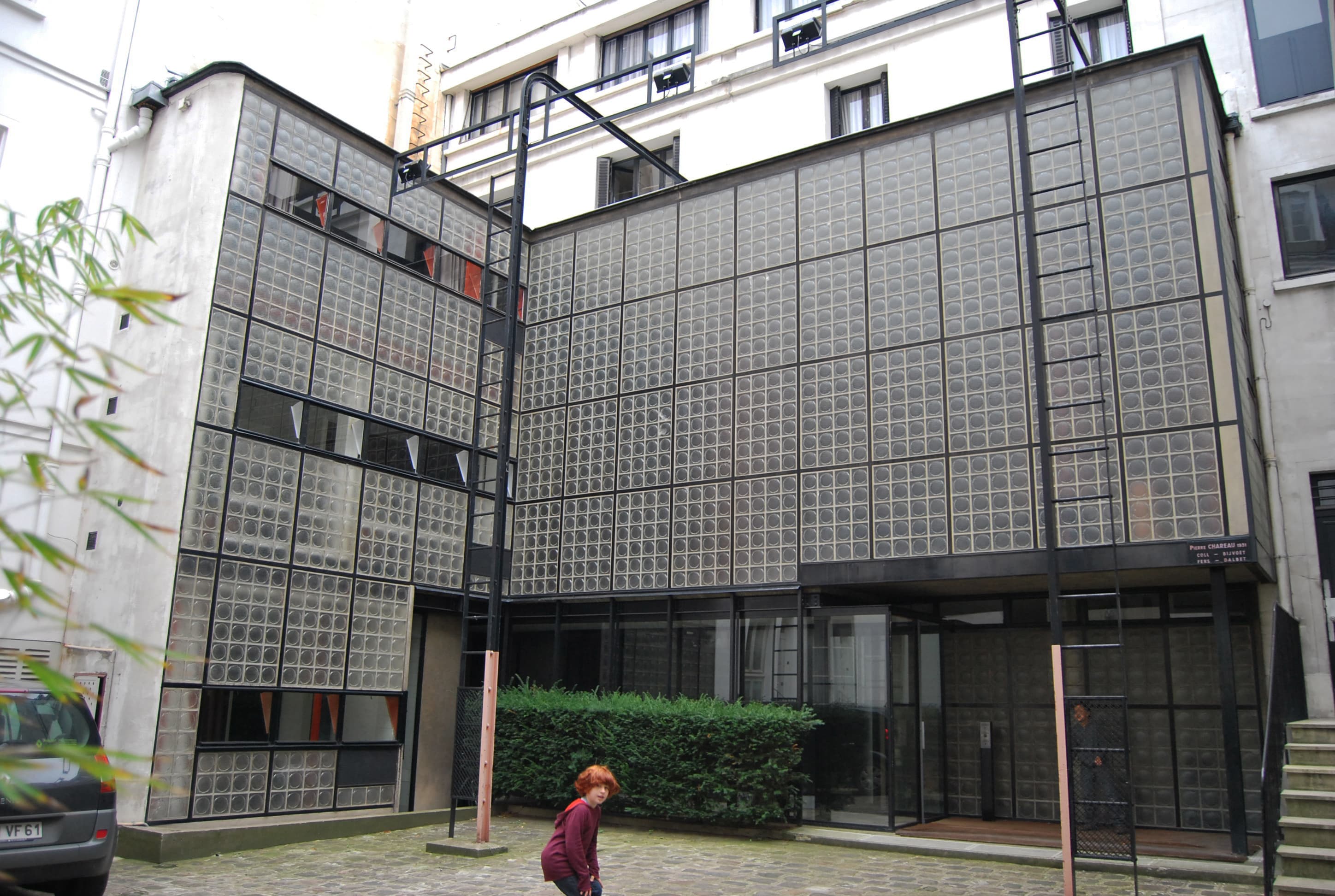
Chareau had Dalbet fabricate the fittings of Maison de Verre on site; Prouvé went further and made the building itself a product, folded from aluminium sheet, flat-packed and flown to Brazzaville. It is the point where the archive's industrial-elegance stops being a finish applied to architecture and becomes the method of construction.

SOURCEcentrepompidou.fr

DISCOVEREDOBJECTSADJACENT

Judd furniture

SOURCE Judd FoundationReferenced from its source. Rights not established by SIMULACRA.

Judd furniture

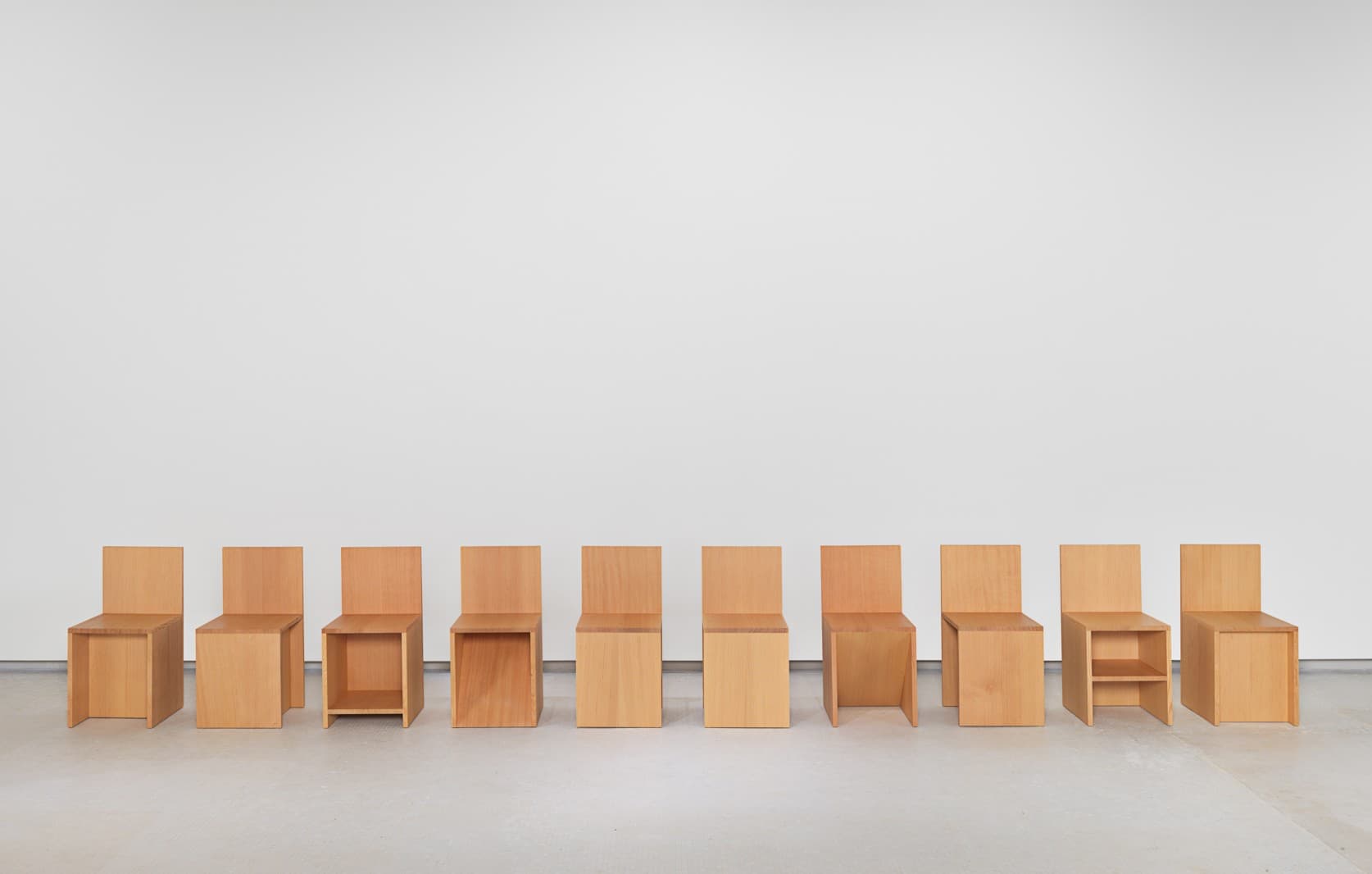
Donald Judd · 1984–1993

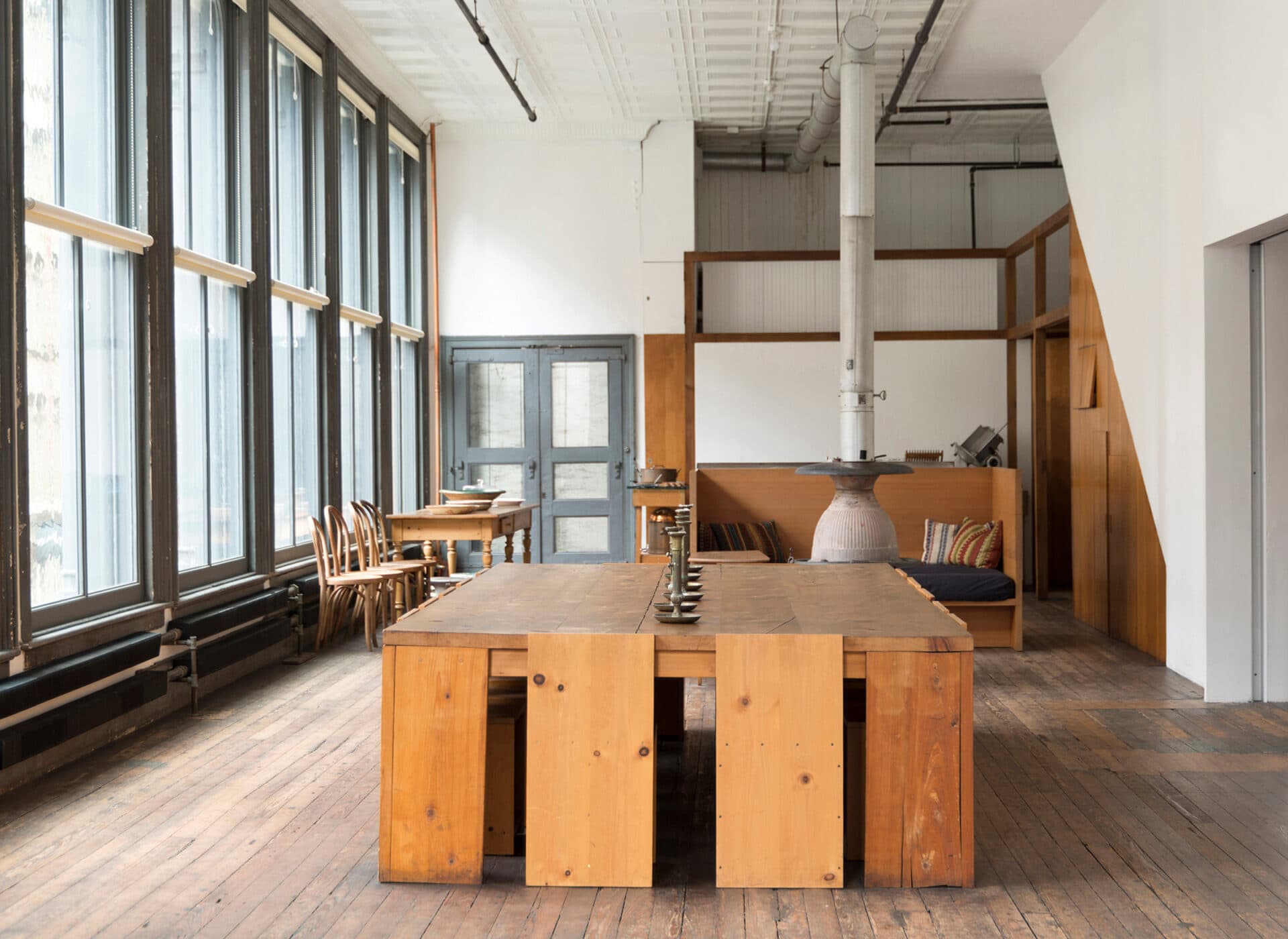
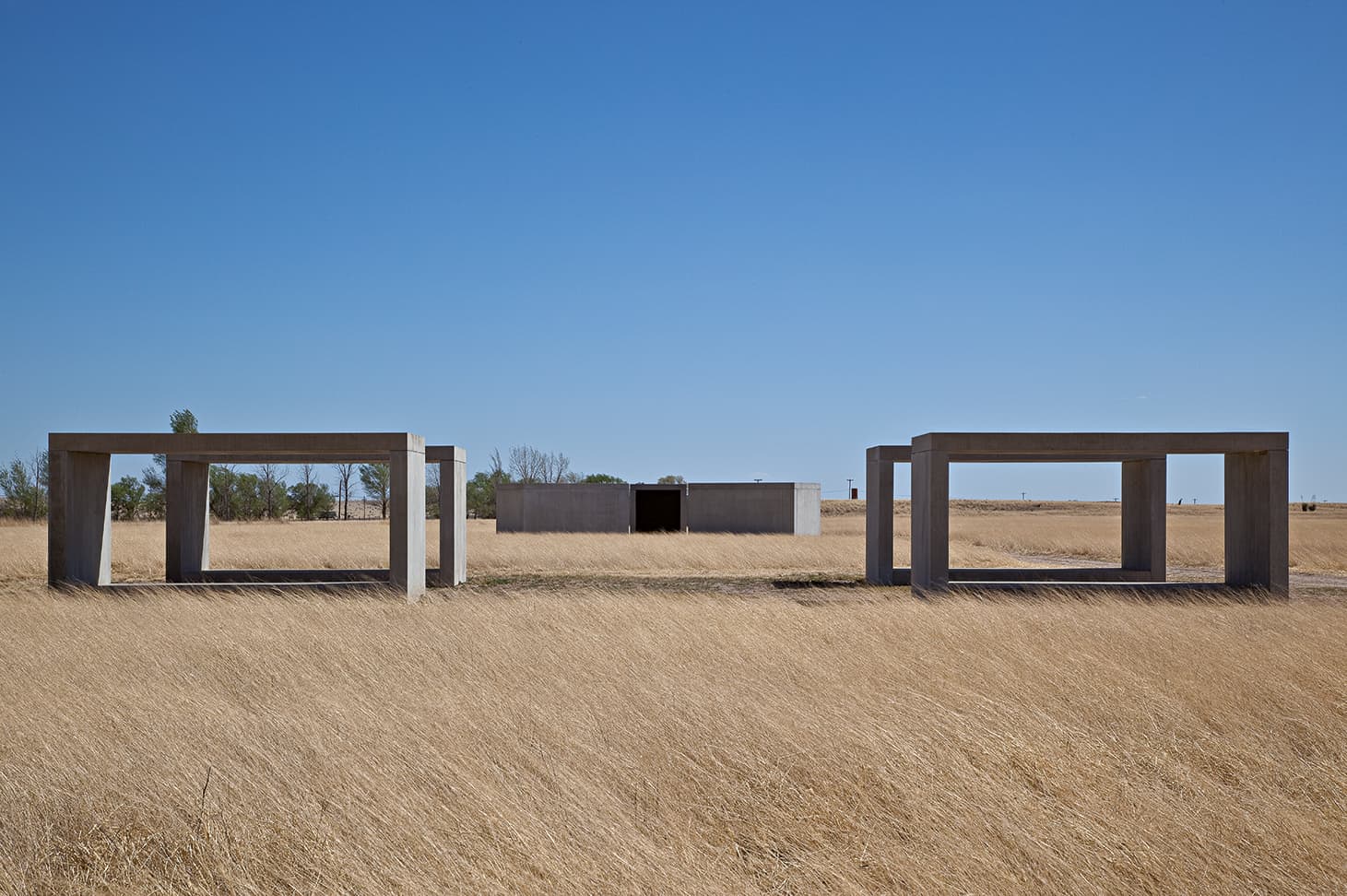
Judd is already in the archive twice, as sculpture and as a building. The furniture is the third position and the most argued-over: he insisted a chair is not art and refused to let the two be read together, while making both from the same proportions. Following a creator across the boundary he himself drew is the point.

SOURCEjuddfoundation.org

DISCOVEREDOBJECTSNEAR

How High the Moon

PHOTOGRAPH Sailko / Wikimedia Commons / CC BY 3.0Cropped for layout.

How High the Moon

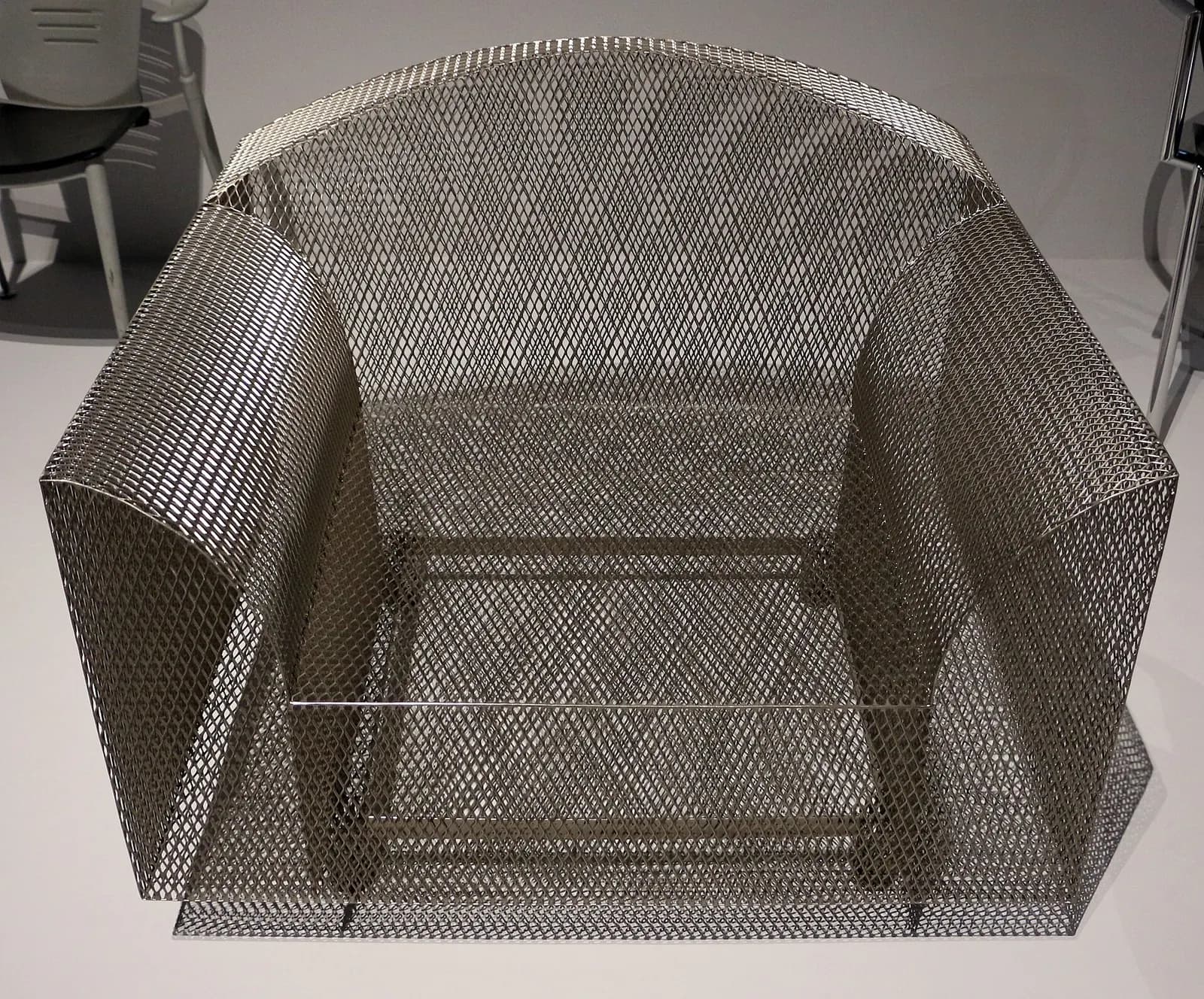
Shiro Kuramata · 1986

An armchair of expanded steel mesh with no frame: the whole volume is visible and almost absent, which is negative-space made into a load-bearing object rather than a composition around one. Maison de Verre does this with glass block at the scale of a house.

SOURCEvitra.com

DISCOVEREDFASHIONADJACENT

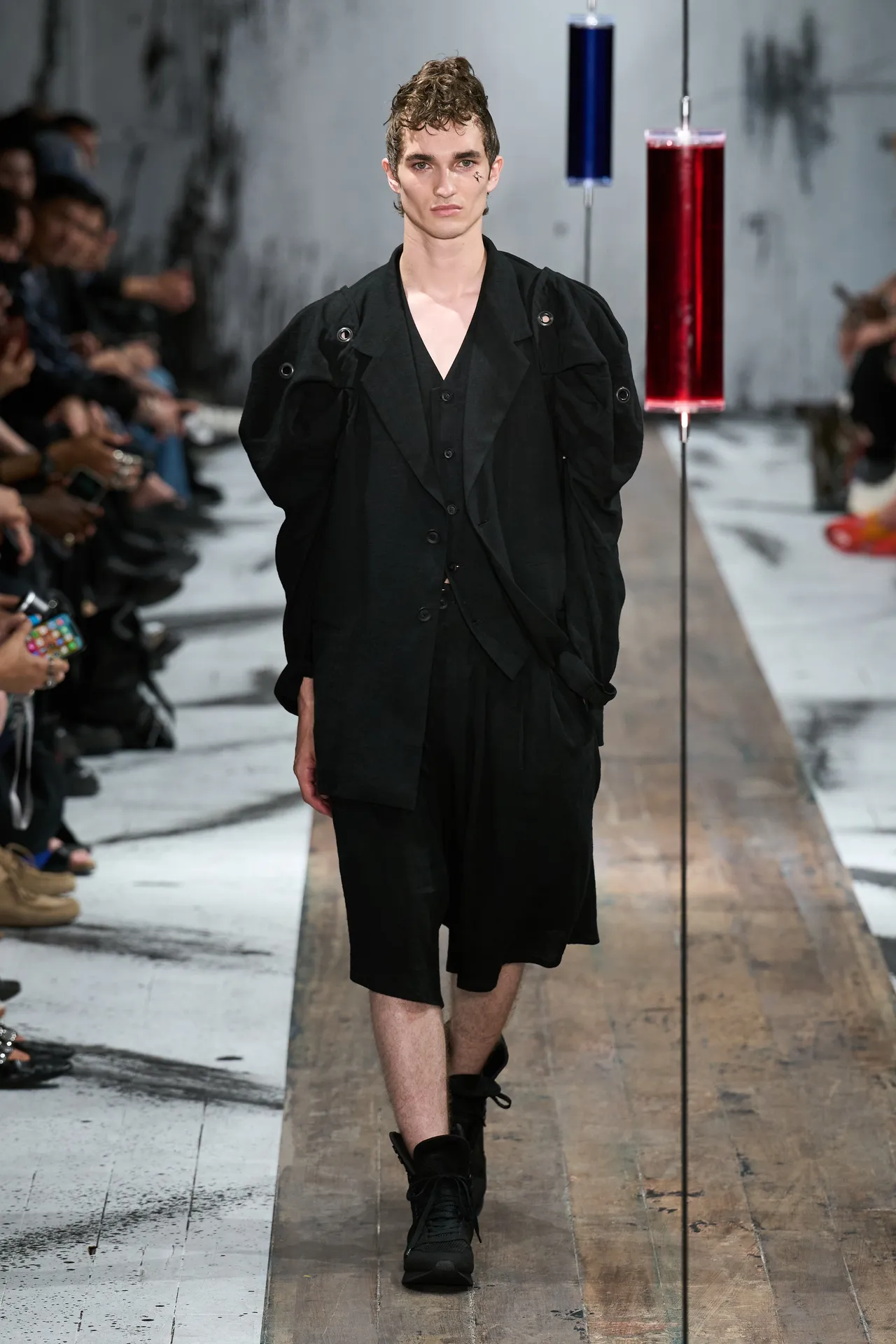
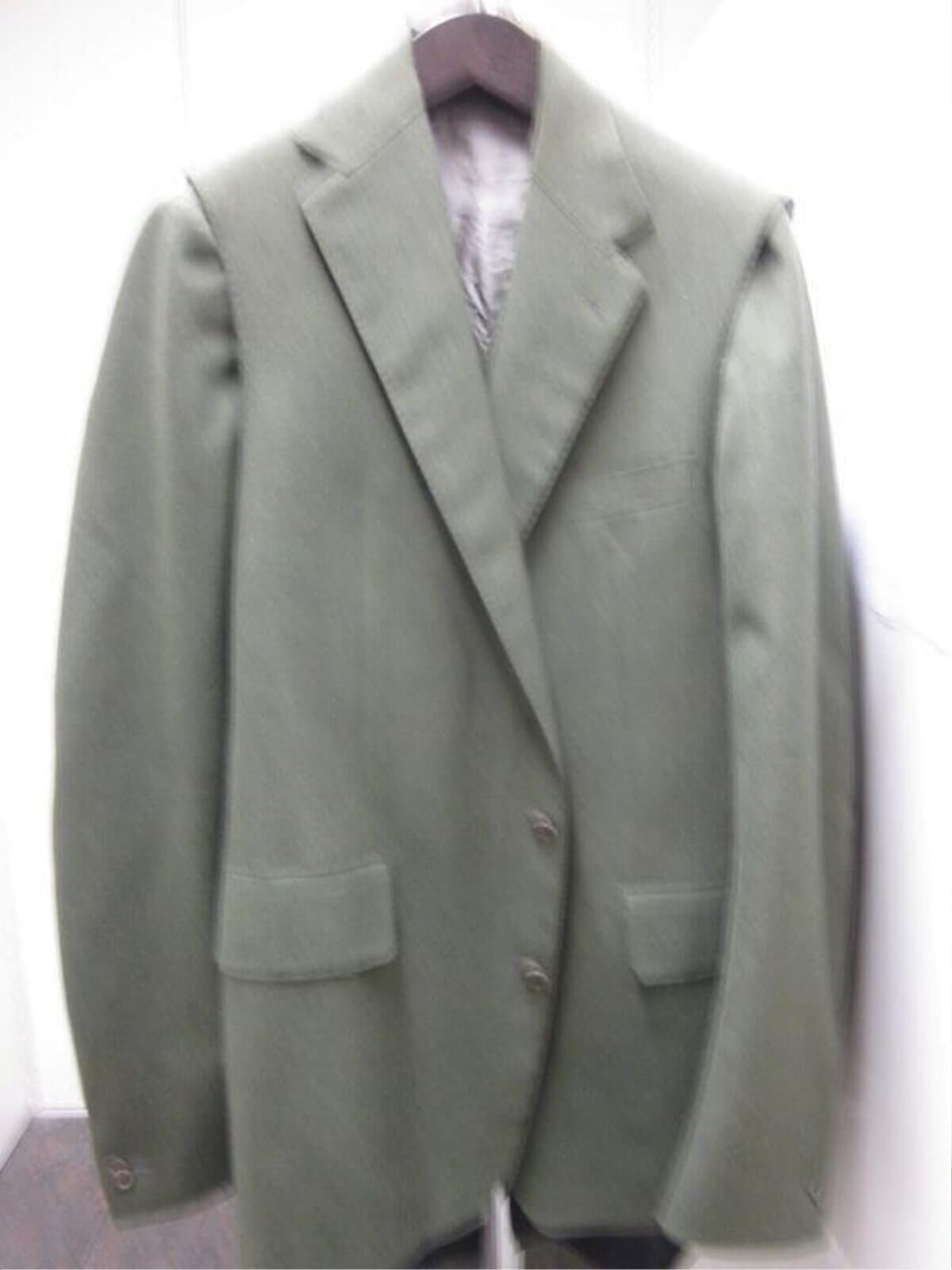
Jacket and waistcoat, c.2010, V&A.

Jacket and waistcoat, c.2010, V&A.

SOURCE Victoria and Albert MuseumReferenced from its source. Rights not established by SIMULACRA.

Carol Christian Poell

Carol Christian Poell · 1994–

Already named in the wardrobe formula as a way of testing the system rather than confirming it, and not yet an entry. Object dyeing is the reason: the garment is built first and dyed whole, so seams and hardware take the colour unevenly and no two pieces finish alike. That is controlled distressing as a process rather than an effect.

SOURCEcarolchristianpoell.com

DISCOVEREDFILMADJACENT

FILM1979NO PLATE

Mosfilm serves no still from a page that answers this address, Criterion returns 403 and Janus serves a placeholder. A 403 is a refusal, not an obstacle. Checked 2026-09-20.

Stalker

Andrei Tarkovsky · 1979

The archive's film holdings are contemporary and bodily. Stalker is neither, and it carries the architecture entries' vocabulary more exactly than any film already here: a guided walk through a ruined industrial zone toward a room that may grant a wish, filmed in derelict Estonian hydro works. Procession, future-ruin and ritual, without a single body horror.

SOURCEcriterion.com

DISCOVEREDFILMOUTLIER

FILM1967NO PLATE

Les Films de Mon Oncle's domain does not resolve; Criterion 403. Tativille was built and demolished, and nothing free survives of it. Checked 2026-09-20.

Playtime

Jacques Tati · 1967

The furthest thing here from the archive's temperament, and that is the reason. Tati built a modernist city to full scale in order to film people failing to navigate it: identical glass cubicles, endless grid, the office as a maze. Severance stages the same building as horror; Superstudio drew it as critique. This is the only version that treats it as comedy, and it predates both.

SOURCEcriterion.com

DISCOVEREDFILMADJACENT

FILM1962NO PLATE

Criterion 403, and the film is a sequence of copyrighted stills, so there is no frame to reference honestly. Checked 2026-09-20.

La Jetée

Chris Marker · 1962

Baudrillard is in the archive as a text with no film beside it. La Jetée is the argument made in pictures: a story told almost entirely in stills, about a man sent back into his own memory, where the image replaces the event it recorded. Possessor's occupied bodies are the same idea in a later register.

SOURCEcriterion.com

DISCOVEREDSOUNDNEAR

SOUND1998NO PLATE

threshold.house is no longer Coil's label — the domain now serves a rent-to-own company, and its og:image is that company's wordmark. Rejected as junk rather than shipped. Checked 2026-09-20.

Time Machines

Coil · 1998

Four untitled drones, each named for a chemical compound and built to suspend the listener's sense of time. Boy Harsher is the archive's nocturnal and erotic electronic entry; this is the same territory taken to ceremony rather than to song, and it connects the SOUND holdings to the ritual signal that runs through the architecture.

SOURCEthreshold.house

DISCOVEREDFASHIONNEAR

Clothing ensemble, 2003, V&A.

Clothing ensemble, 2003, V&A.

SOURCE Victoria and Albert MuseumReferenced from its source. Rights not established by SIMULACRA.

Helmut Lang, 1986–2005

Helmut Lang · 1986–2005

The wardrobe formula lists him as a test case and the archive has no entry. Lang is where technical fabric, industrial hardware and severe tailoring were first put together as everyday clothing rather than as a proposition, which is precisely the register the formula is trying to hold.

SOURCEvam.ac.uk

DISCOVEREDARTADJACENT

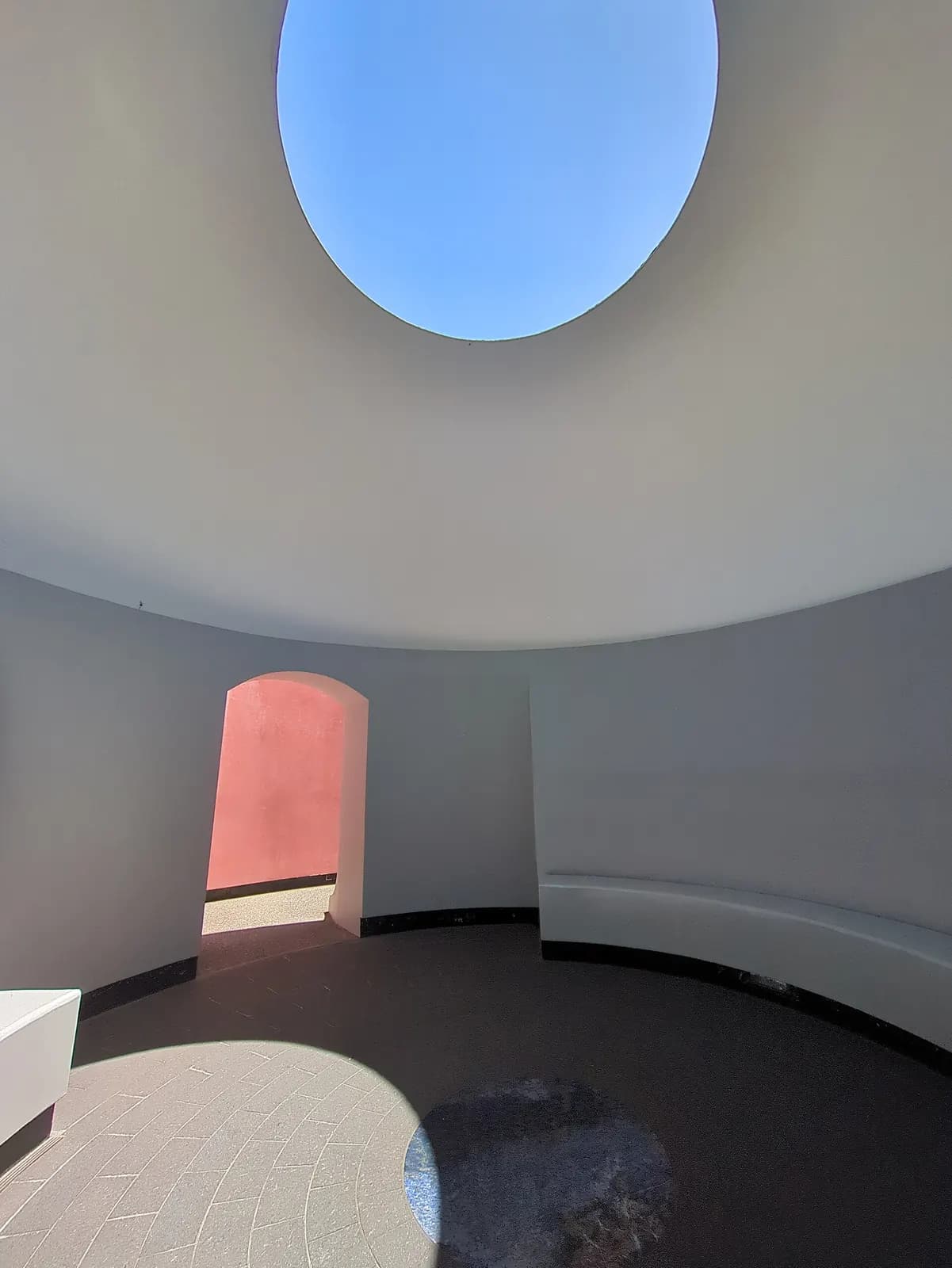
Three Gems, de Young Museum — one Skyspace of the many.

Three Gems, de Young Museum — one Skyspace of the many.

PHOTOGRAPH Otheralex01 / Wikimedia Commons / CC BY-SA 4.0Cropped for layout; this adapted presentation is offered under the same licence.

Skyspaces

James Turrell · 1974–

Church of the Light and Therme Vals both use an aperture to make light into the material of a room. Turrell removes the building around the aperture: a cut ceiling, a bench, and nothing else, so the sky becomes a surface. It is the archive's strongest architectural idea isolated and shown on its own.

SOURCEjamesturrell.com

DISCOVEREDARTNEAR

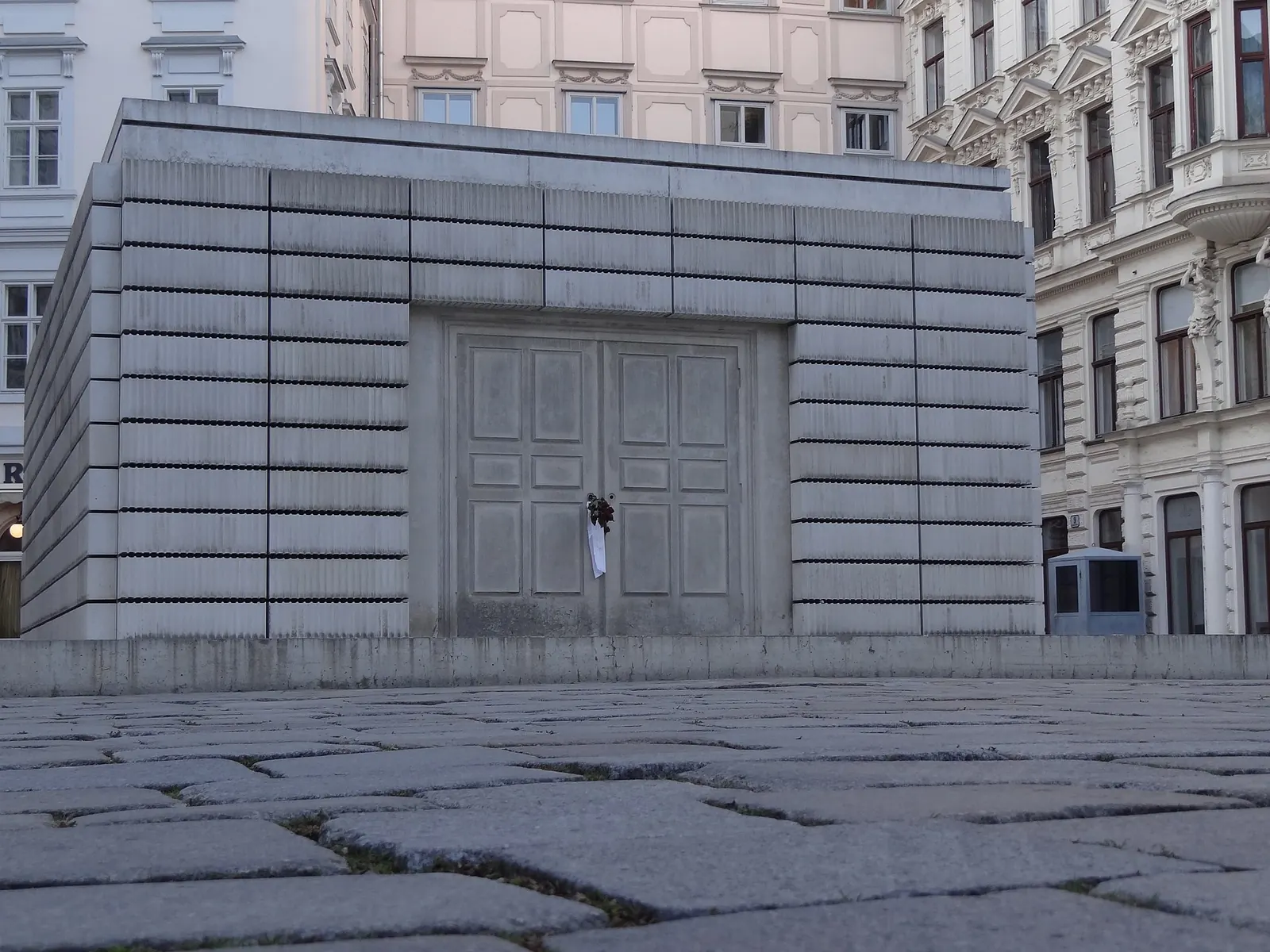
Judenplatz Memorial, Vienna, 2000. House was demolished in 1994 and no free photograph of it exists; this is the same cast-void argument standing in a square.

Judenplatz Memorial, Vienna, 2000. House was demolished in 1994 and no free photograph of it exists; this is the same cast-void argument standing in a square.

PHOTOGRAPH HeMei / Wikimedia Commons / CC BY-SA 3.0 ATCropped for layout; this adapted presentation is offered under the same licence.

House

Rachel Whiteread · 1993

Negative-space is the second most connected signal in the archive, carried by eight entries, and in every one of them it is an absence composed around solid things. Whiteread inverts it: the inside of a condemned terraced house cast in concrete and the house then demolished, so the void is the only object left.

SOURCEtate.org.uk

DISCOVEREDARTNEAR

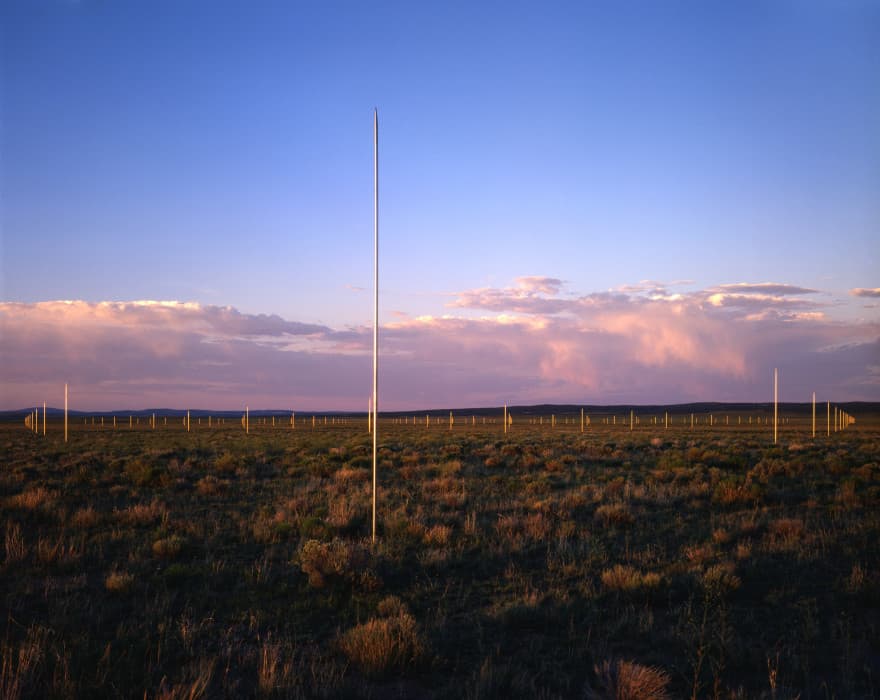
The Lightning Field

PHOTOGRAPH John Cliett / Dia Art FoundationReferenced from its source. Rights not established by SIMULACRA.

The Lightning Field

Walter De Maria · 1977

Judd's hundred concrete works at Chinati and Serra's ellipses at Dia are both grids you walk. De Maria's is four hundred steel poles over a mile of desert, and it can only be experienced by staying overnight. The same seriality, with duration added as the material. Dia holds two of the three.

SOURCEdiaart.org

DISCOVEREDSOUNDNEAR

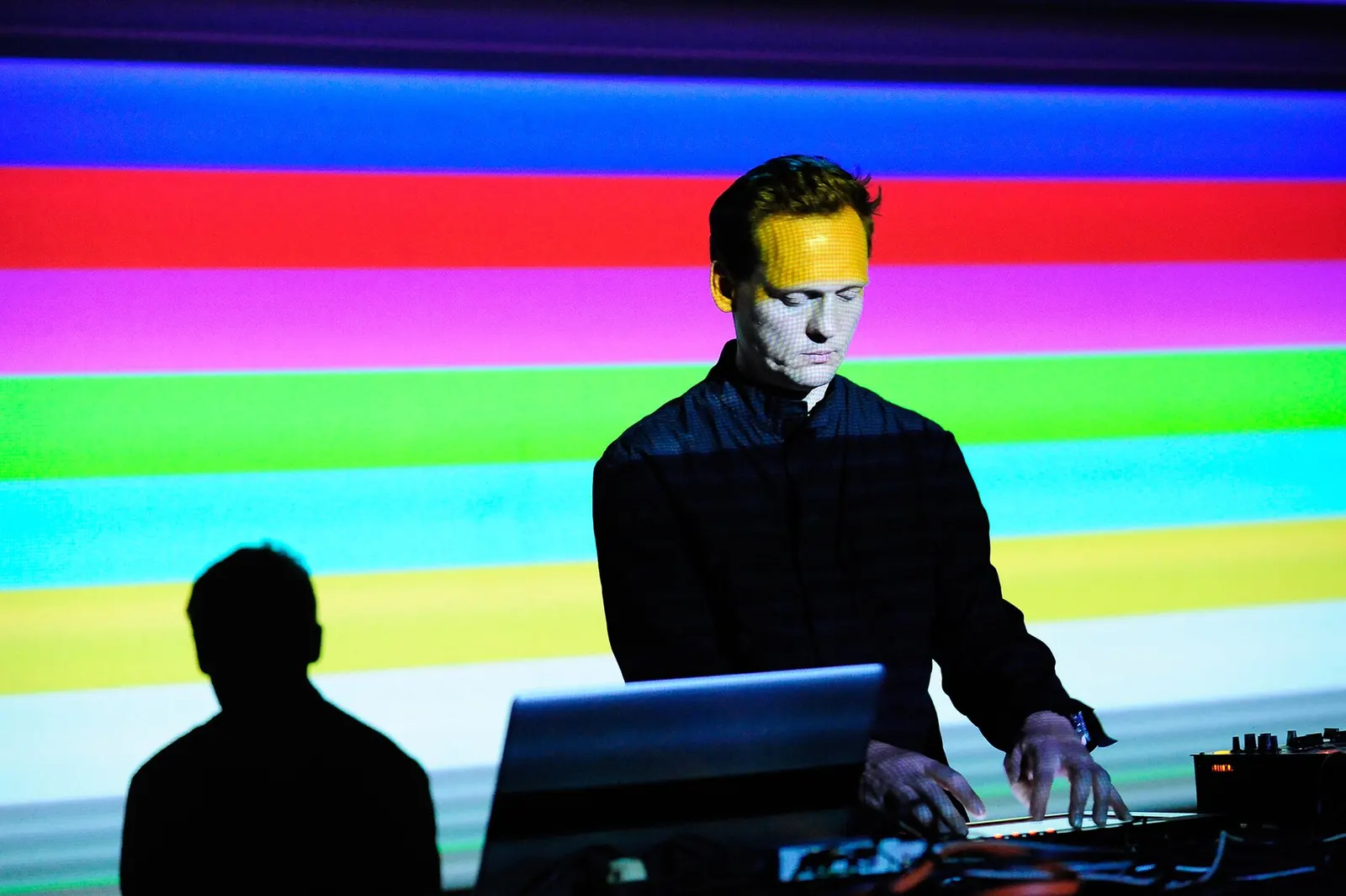
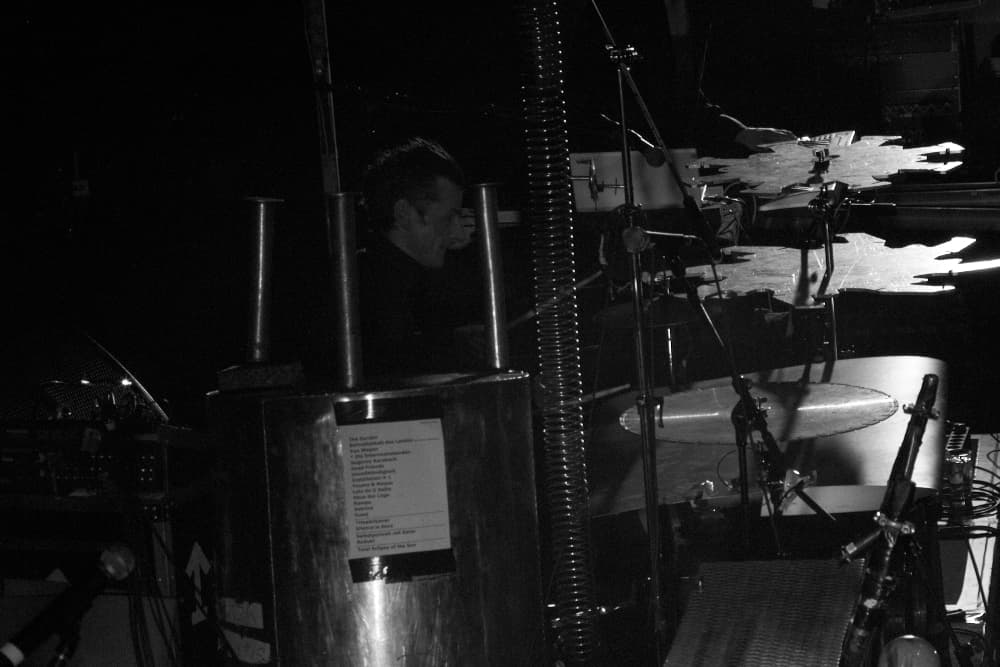
Carsten Nicolai performing, 2009.

Carsten Nicolai performing, 2009.

PHOTOGRAPH Dieter Wuschanski / Wikimedia Commons / CC BY-SA 4.0Cropped for layout; this adapted presentation is offered under the same licence.

Alva Noto

Carsten Nicolai · 1999–

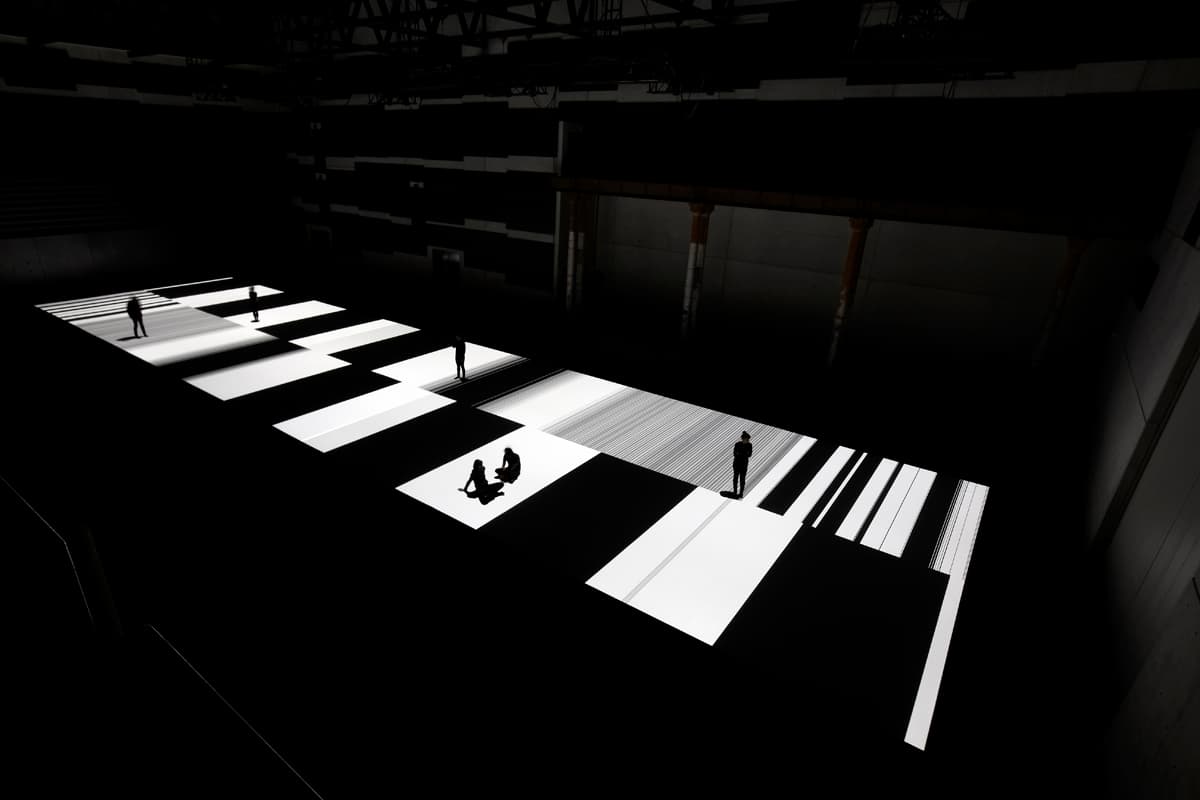
Ikeda is in the archive and his closest counterpart is not. Nicolai works the same material, error and sine tone and data made audible, but from the visual-art side: he shows in galleries as often as he performs, and the two have collaborated. If the archive holds one of them it has half the position.

SOURCEalvanoto.com

DISCOVEREDARCHITECTURENEAR

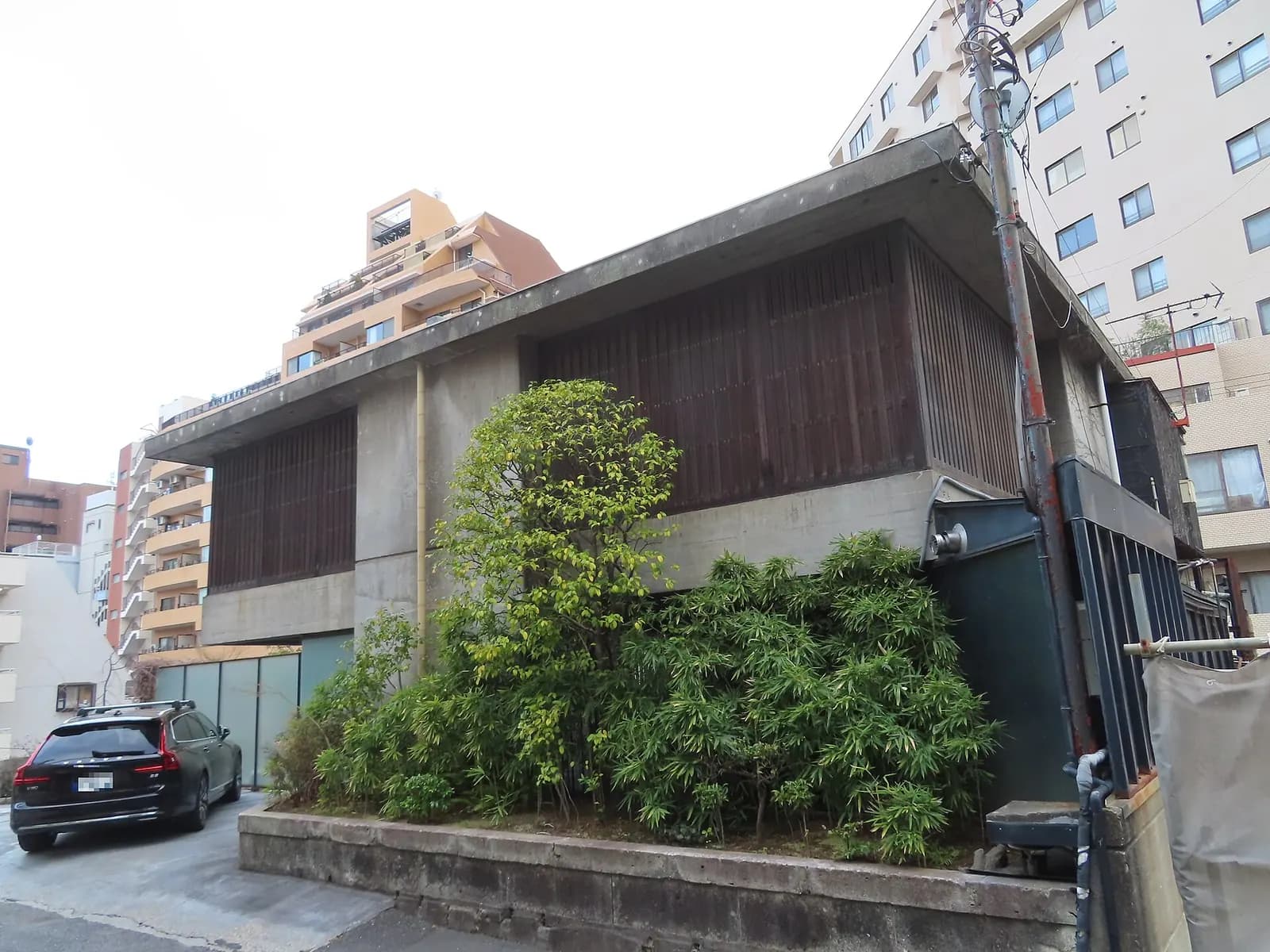
Sky House

PHOTOGRAPH 運動会プロテインパワー / Wikimedia Commons / CC BY-SA 4.0Cropped for layout; this adapted presentation is offered under the same licence.

Sky House

Kiyonori Kikutake · 1958

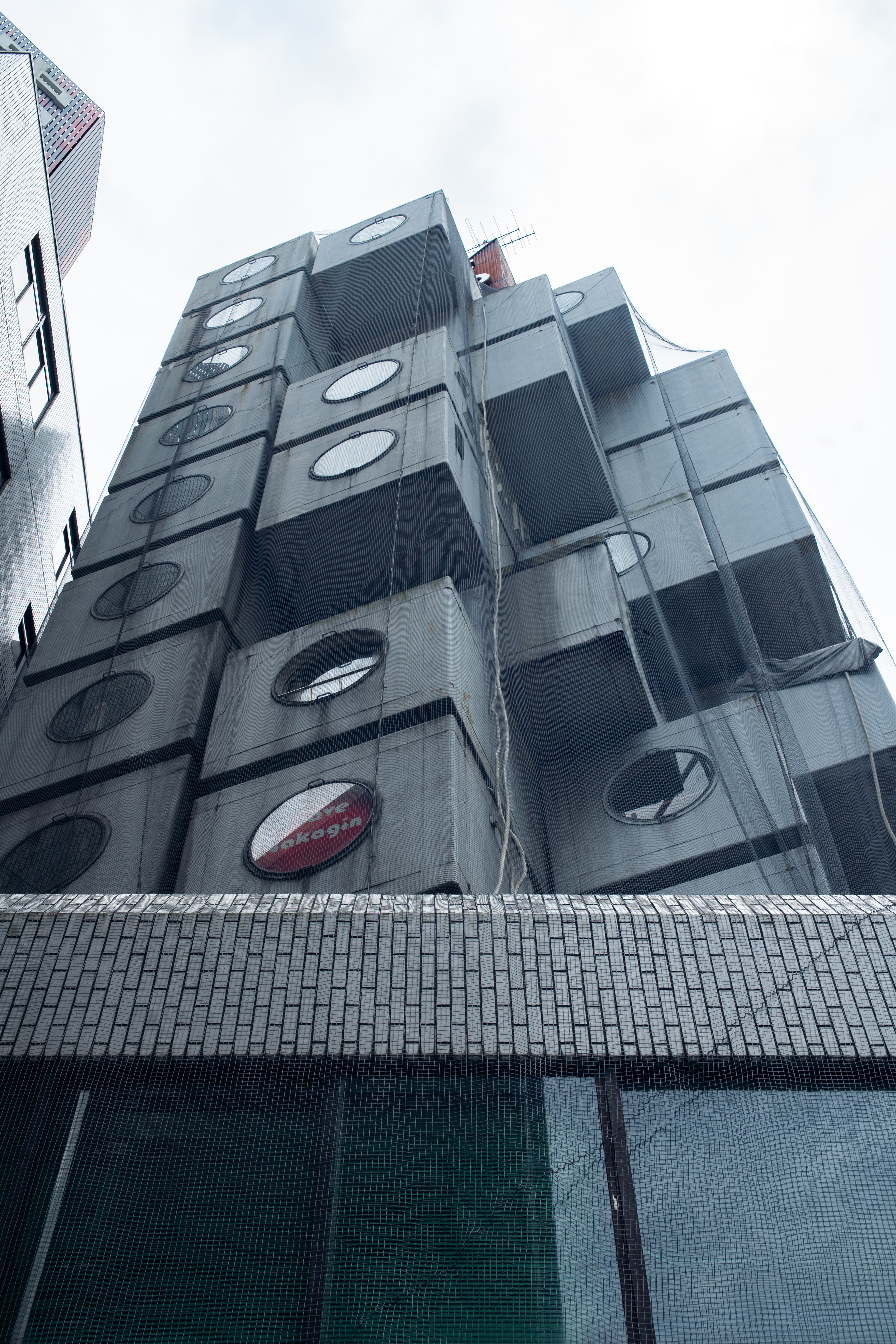
Nakagin is the Metabolist idea built at scale and then demolished. Sky House is where it was first tested, on the movement's founding logic: a single raised concrete slab with replaceable 'move-nets' clipped underneath as the family changed. It is Nakagin's direct predecessor and it is still standing, which makes it the one place the argument can still be seen.

SOURCEkikutake-architects.co.jp

DISCOVEREDOBJECTSNEAR

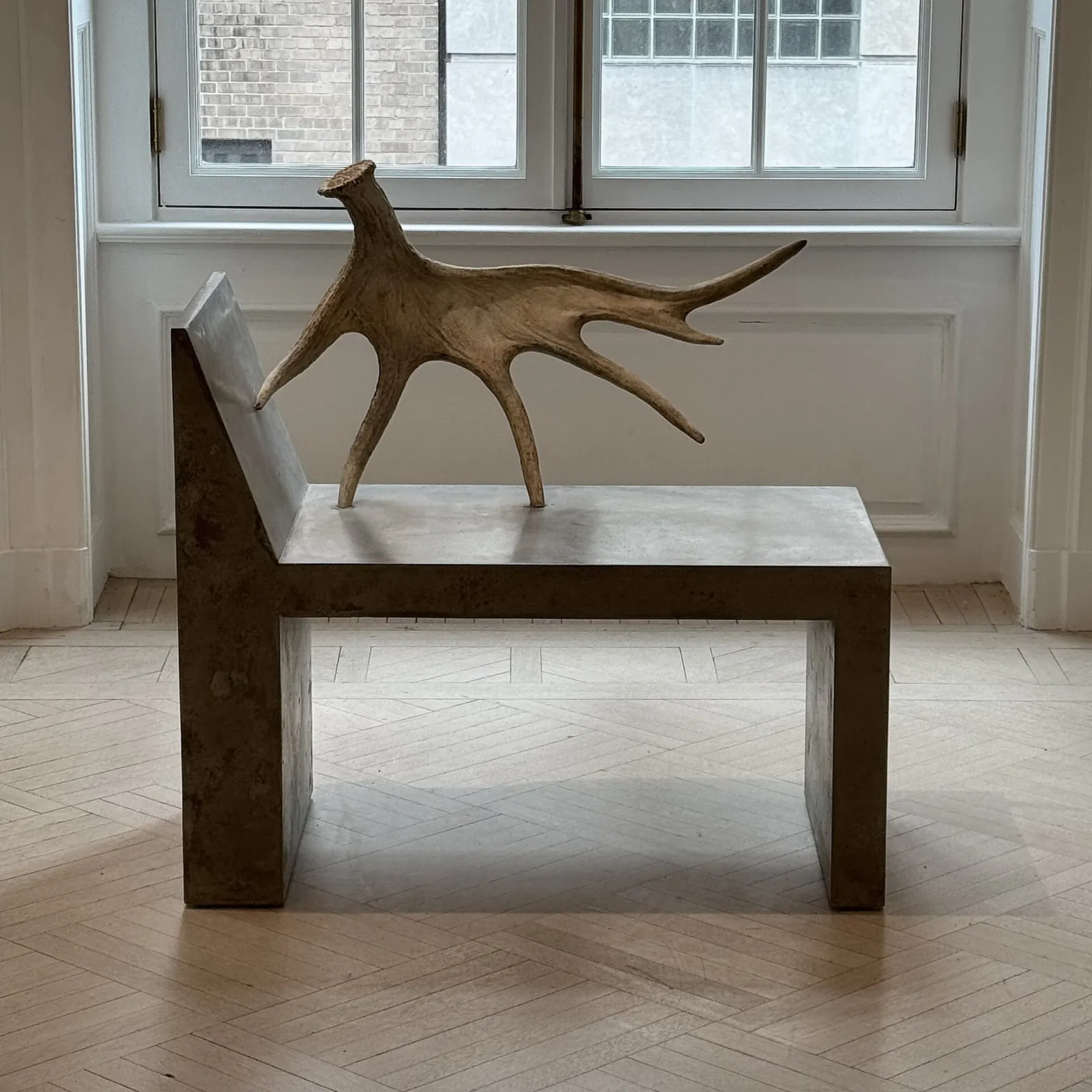
Tomb chair, with moose antler.

Tomb chair, with moose antler.

PHOTOGRAPH Reddeleon / Wikimedia Commons / CC0Cropped for layout.

Rick Owens furniture

Rick Owens · 2007–

The archive holds Owens twice in FASHION and nothing of the furniture, which is the clearest case in the collection of one person working the same proposition at two scales: alabaster, plywood and bone made into low monolithic slabs. The interior formula and the wardrobe formula are the same ratio at two scales; so is he.

SOURCErickowens.eu

DISCOVEREDFASHIONNEAR

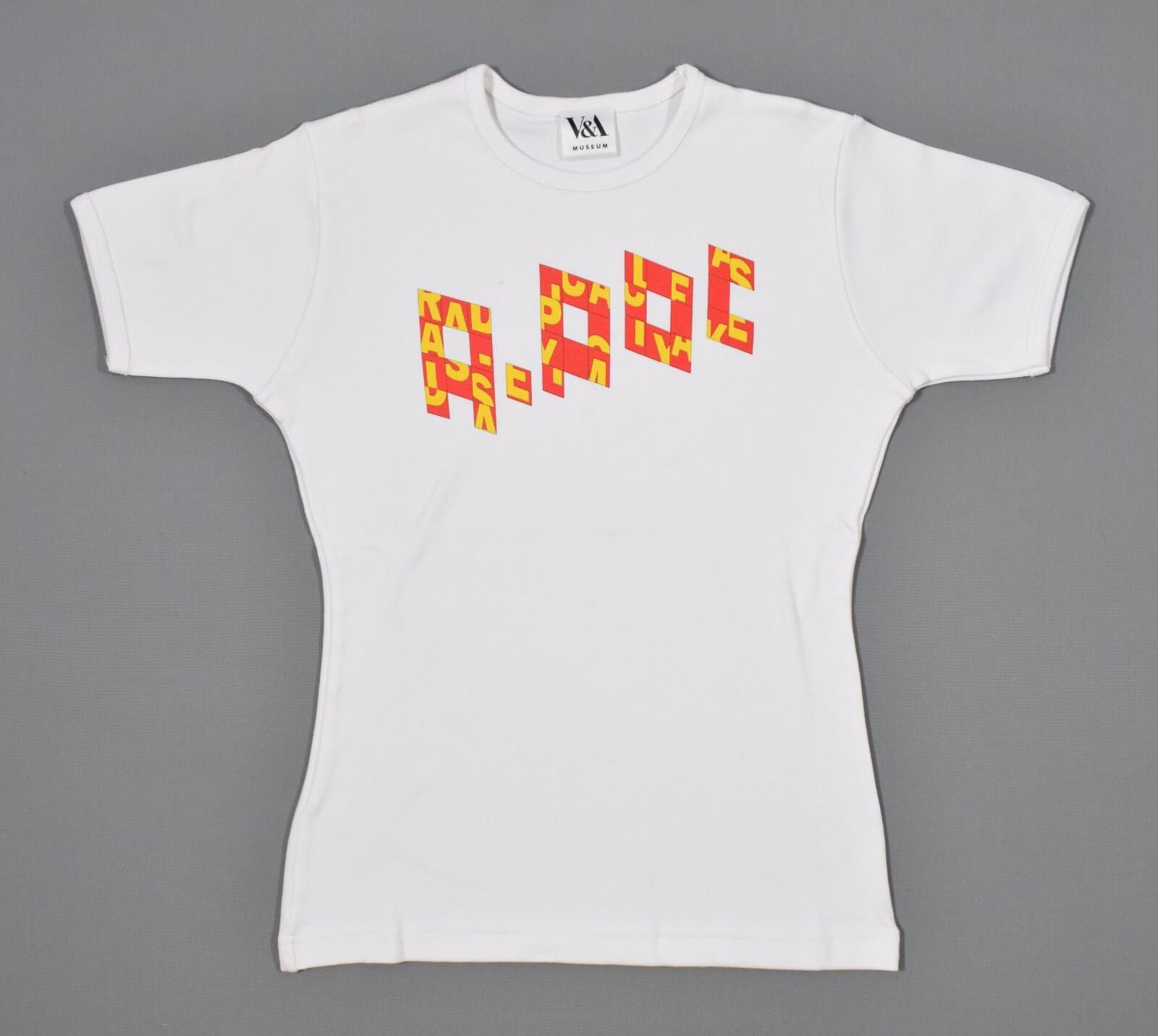
A-POC T-shirt, 2002, V&A — one garment cut from the tube.

A-POC T-shirt, 2002, V&A — one garment cut from the tube.

SOURCE Victoria and Albert MuseumReferenced from its source. Rights not established by SIMULACRA.

A-POC

Issey Miyake and Dai Fujiwara · 1997–

A single tube of knitted fabric from which the wearer cuts their own garment, with no seams and no waste. Where Kawakubo distorts the silhouette and Yamamoto holds it away from the body, this removes the pattern entirely and makes the garment a system the buyer completes. It is the engineering argument without the black.

SOURCEisseymiyake.com

DISCOVEREDSOUNDNEAR

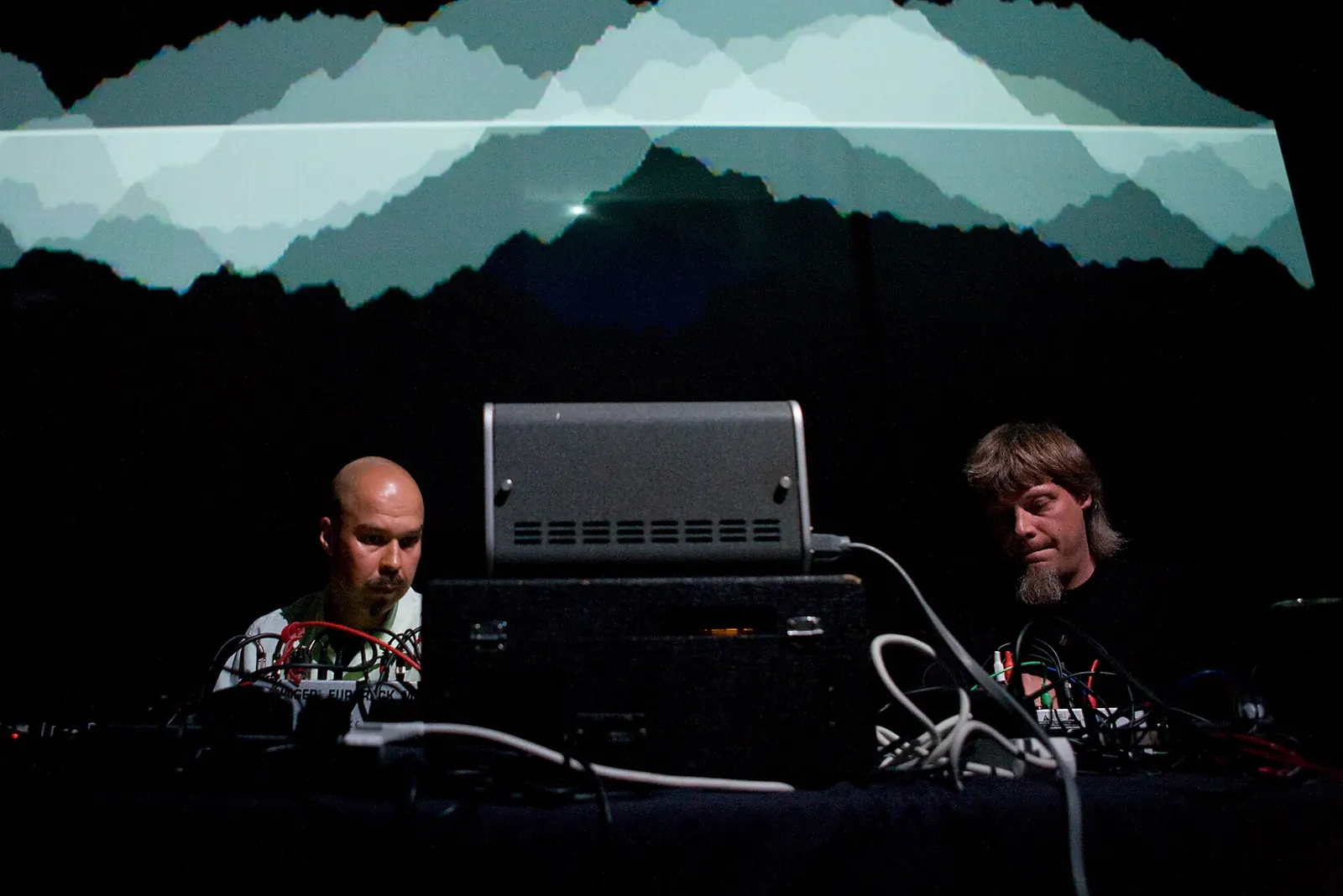
Pan Sonic live, 2006.

Pan Sonic live, 2006.

PHOTOGRAPH bthrewww / Wikimedia Commons / CC BY-SA 2.0Cropped for layout; this adapted presentation is offered under the same licence.

Pan Sonic

Mika Vainio and Ilpo Väisänen · 1993–2009

The archive has industrial sound made from scrap metal and it has digital minimalism, and nothing in between. Pan Sonic is the bridge: hand-built analogue hardware producing pulses and sine tones at physical volume, the weight of Neubauten with Ikeda's restraint.

SOURCEeditionsmego.com

DISCOVEREDTEXTSADJACENT

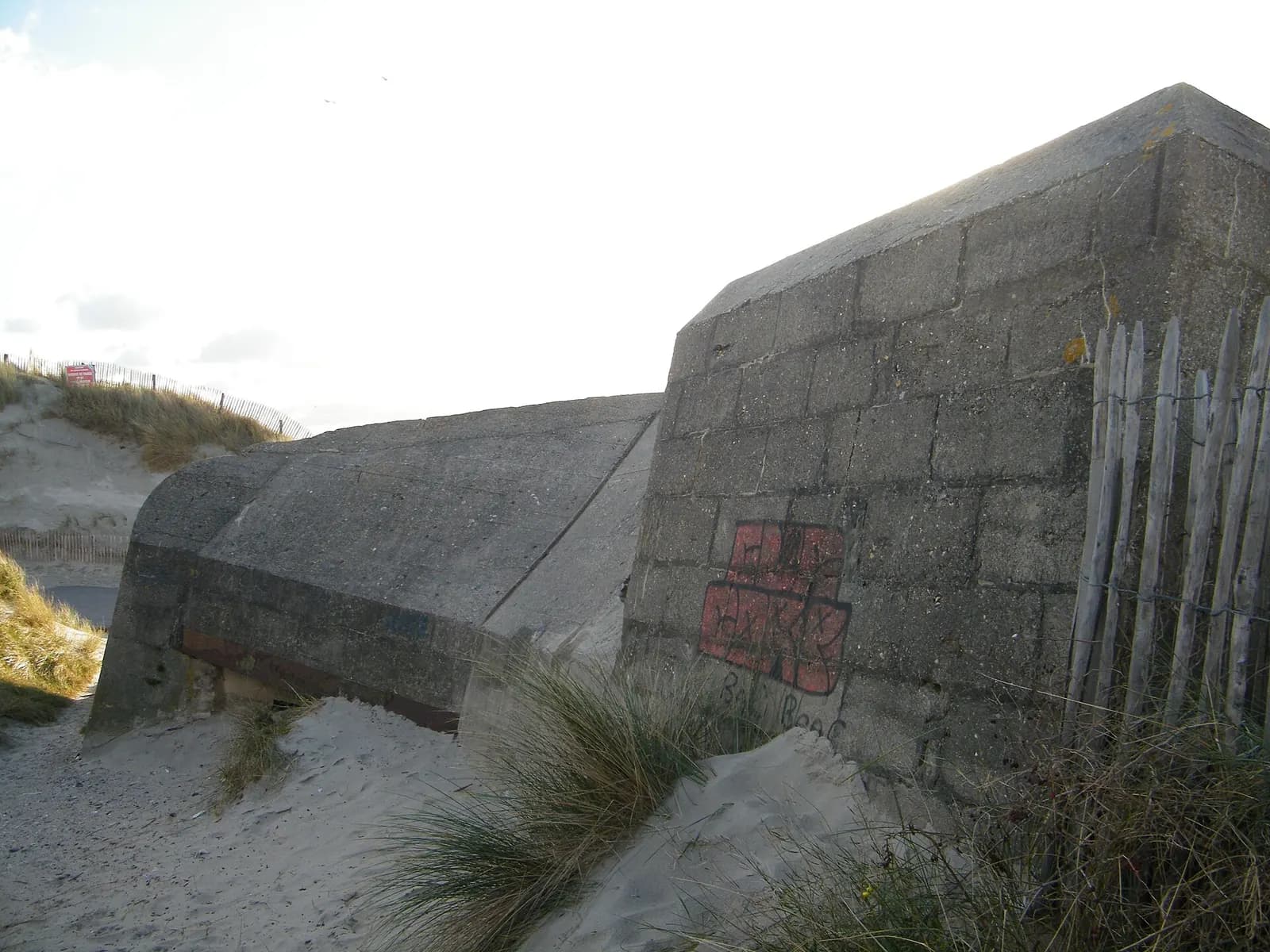
An Atlantic Wall blockhaus at Quend-Plage, tilted in the sand. Not a plate from the book: the subject Virilio spent fifteen years photographing.

An Atlantic Wall blockhaus at Quend-Plage, tilted in the sand. Not a plate from the book: the subject Virilio spent fifteen years photographing.

PHOTOGRAPH APictche / Wikimedia Commons / CC BY-SA 4.0Cropped for layout; this adapted presentation is offered under the same licence.

Bunker Archeology

Paul Virilio · 1975

Virilio is already a creator in the archive, as half of the pair who built Sainte-Bernadette, and the book is where that church comes from. He photographed the abandoned Atlantic Wall for years and argued that its bunkers were a new kind of monument: oriented, windowless, already ruins. The entry currently cites the building without the reasoning behind it.

SOURCEpapress.com

DISCOVEREDTEXTSNEAR

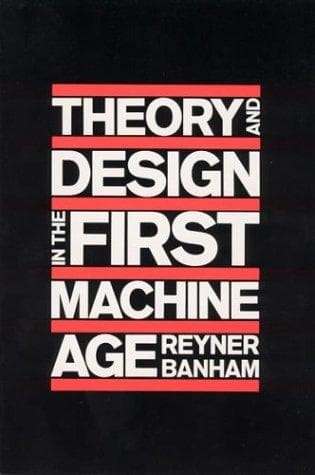
The 1960 edition's jacket.

The 1960 edition's jacket.

SOURCE Open LibraryReferenced from its source. Rights not established by SIMULACRA.

Theory and Design in the First Machine Age

Reyner Banham · 1960

TEXTS holds three entries and no history. Banham is the one that makes the others legible: he took the machine rhetoric of the Futurists and the early modernists seriously enough to check it against what was actually built, and he was the critic who took Metabolism seriously while it was happening. Venturi's argument is a reply to his.

SOURCEmitpress.mit.edu

DISCOVEREDTEXTSNEAR

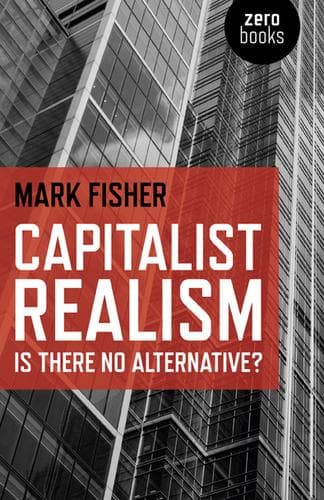
The Zero Books edition, 2009.

The Zero Books edition, 2009.

SOURCE Open LibraryReferenced from its source. Rights not established by SIMULACRA.

Capitalist Realism

Mark Fisher · 2009

The archive holds two television entries about corporate control and no text that explains why they feel the way they do. Fisher's argument is that the dominant mood is not fear of the future but the inability to imagine one, which is precisely what Severance's office and Silo's sealed shaft stage. Baudrillard is the precedent he writes from.

SOURCErepeaterbooks.com

24 OF 24 REFERENCES SHOWN · NONE IN THE ARCHIVE