Ryoji Ikeda
Ryoji Ikeda · 1995–
OVERVIEW
A Japanese composer and artist working since the mid-1990s with the narrowest possible materials: sine tones, pulses, white noise, and the edges of what is audible at all. The records are severe and the installations are enormous, usually a monochrome field of projected data with a synchronised soundtrack.
The work is built from numbers, frequencies, sample rates, prime sequences, and it rarely disguises that. It is closer to a measuring instrument than to a composition.
WHY IT MATTERS
Sound used as a material with physical dimensions rather than as music: frequency, threshold and duration treated like concrete and light.
CONTEXT
Ikeda came from the Japanese experimental scene around Dumb Type, the Kyoto performance collective, and the theatrical scale of that work stayed with him. The datamatics series and the test pattern installations extend the same method from the ear to the eye.
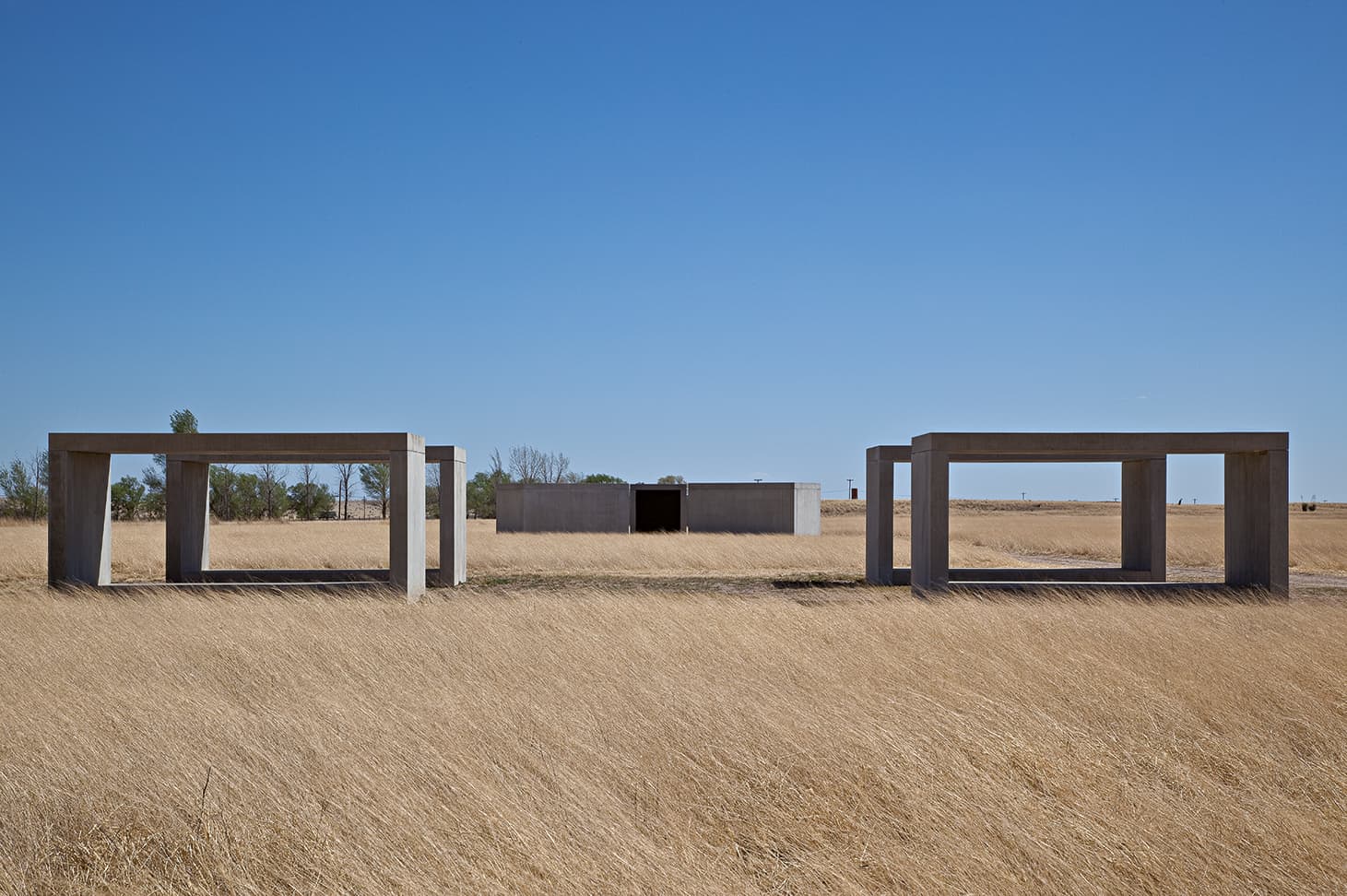
He is usually filed as electronic music, which undersells it. The nearest relatives in this archive are not other musicians but Judd and Serra: identical units, exact intervals, and an effect produced on a body rather than described to it.
START HERE
- 01+/- (1996)The early statement. Sine tones and silence at the edge of hearing, almost nothing else. Play it quietly first.
- 02matrix (2000)The one that made the reputation. Standing waves that change as you move your head, so the room becomes part of the instrument.
- 03dataplex (2005)Faster, denser, closer to rhythm. The easiest way in if the earlier records feel like a test.
- 04test pattern (2008)Data converted directly to sound and image. The clearest demonstration of the method.
WHAT TO NOTICE
- 01The room becomes the instrumentWith pure tones, small movements of your head change what you hear. The work is not fully on the recording.
- 02ThresholdsMuch of it sits at the top and bottom of hearing. Part of what you experience is your own limit, which is the point.
- 03Monochrome, alwaysBlack, white and one accent in the visual work. The palette restriction matches the sonic one exactly.
CONNECTIONS
- INTERVAL AS COMPOSITIONUntitled concrete works / Donald Judd
Identical units, exact spacing, and the effect produced by the gaps rather than the elements. Judd does it in a Texas field, Ikeda does it in frequency and time.
- SOUND AS MATERIALEinstürzende Neubauten / Einstürzende Neubauten
Both refuse to start from notes. Neubauten hit steel to find out what it does; Ikeda uses pure tone and noise for their physical properties. Opposite ends of the same refusal.
EXPLORE FURTHER
- OFFICIAL / ryojiikeda.comRyoji Ikeda
Works, installations and discography, with documentation of the large installations.
RELATED SIGNALS
RELATED ENTRIES

SB-SND-004
Boy Harsher
Boy Harsher · 2013–
SB-TXT-001
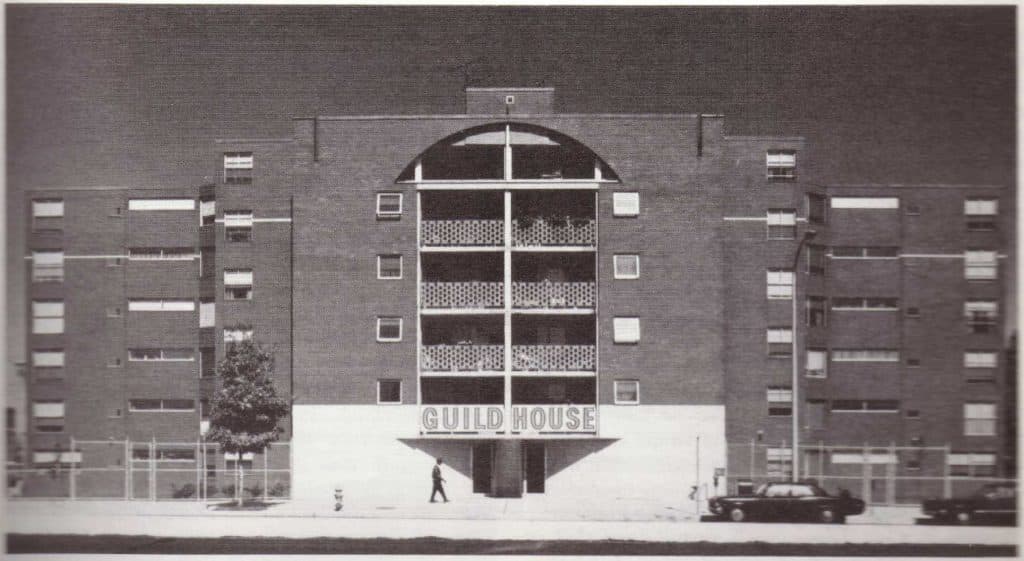
Learning from Las Vegas
Robert Venturi, Denise Scott Brown, Steven Izenour · 1972
SB-ART-001
Untitled concrete works
Donald Judd · various

SB-ARC-006
Church of the Light
Tadao Ando · 1989
SB-ART-003
Torqued Ellipses
Richard Serra · 1996–1999
SB-TV-001
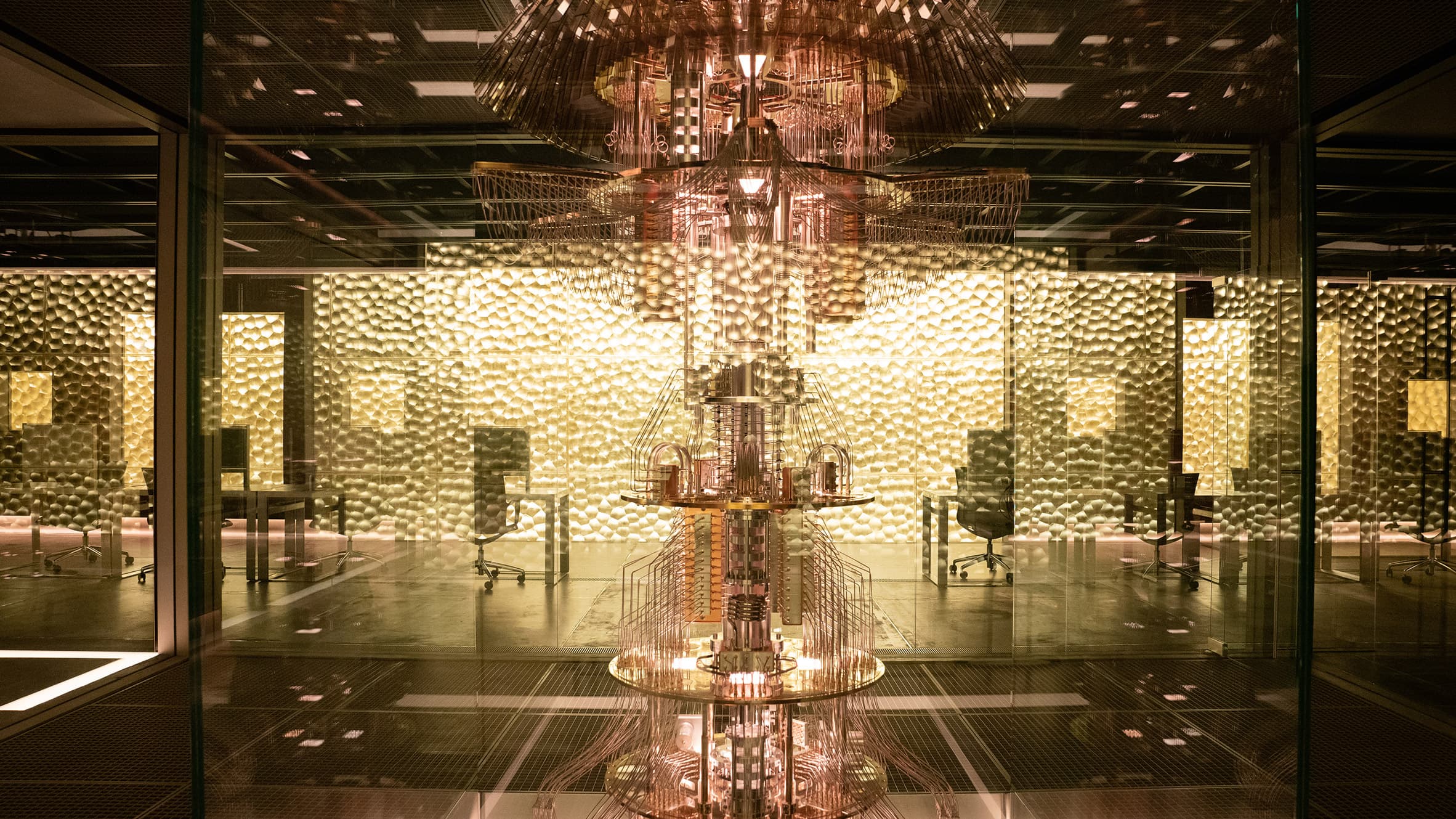
Devs
Alex Garland · 2020
SB-INT-002
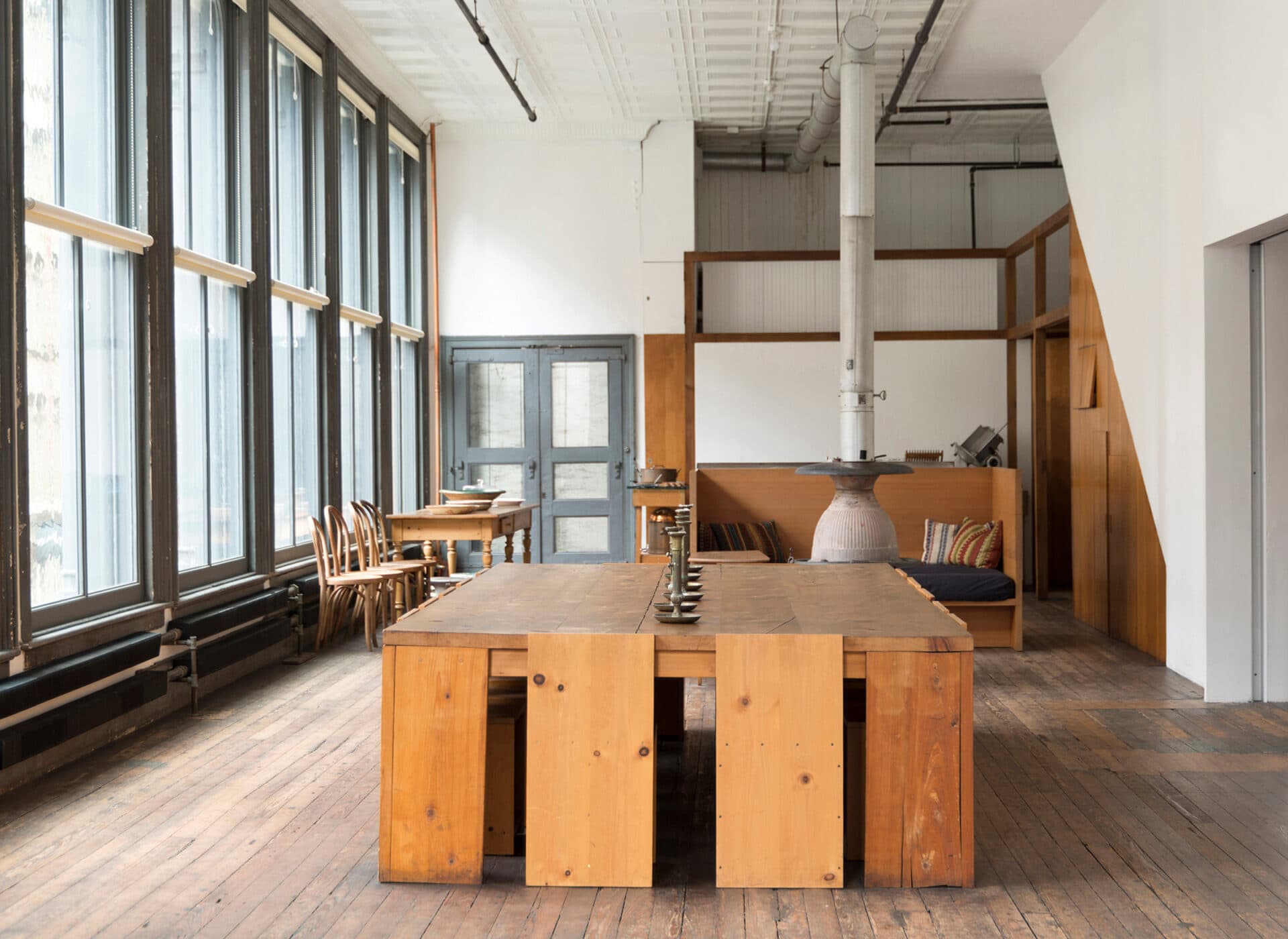
101 Spring Street
Donald Judd · 1968–
SB-OBJ-003
Destroyers/Builders
Linde Freya Tangelder · contemporary