Torqued Ellipses
Richard Serra · 1996–1999
OVERVIEW
A series of sculptures in weatherproof steel, each a single continuous plate rolled into an ellipse whose top is rotated against its bottom. The wall therefore leans away from you on one side and over you on the other, and it changes which as you walk.
They are around four metres tall and weigh many tonnes. There is one opening. You enter, and the interior does not match anything the exterior suggested.
WHY IT MATTERS
Mass that cannot be seen from outside itself: the work is the walk through it, not the object photographed.
CONTEXT
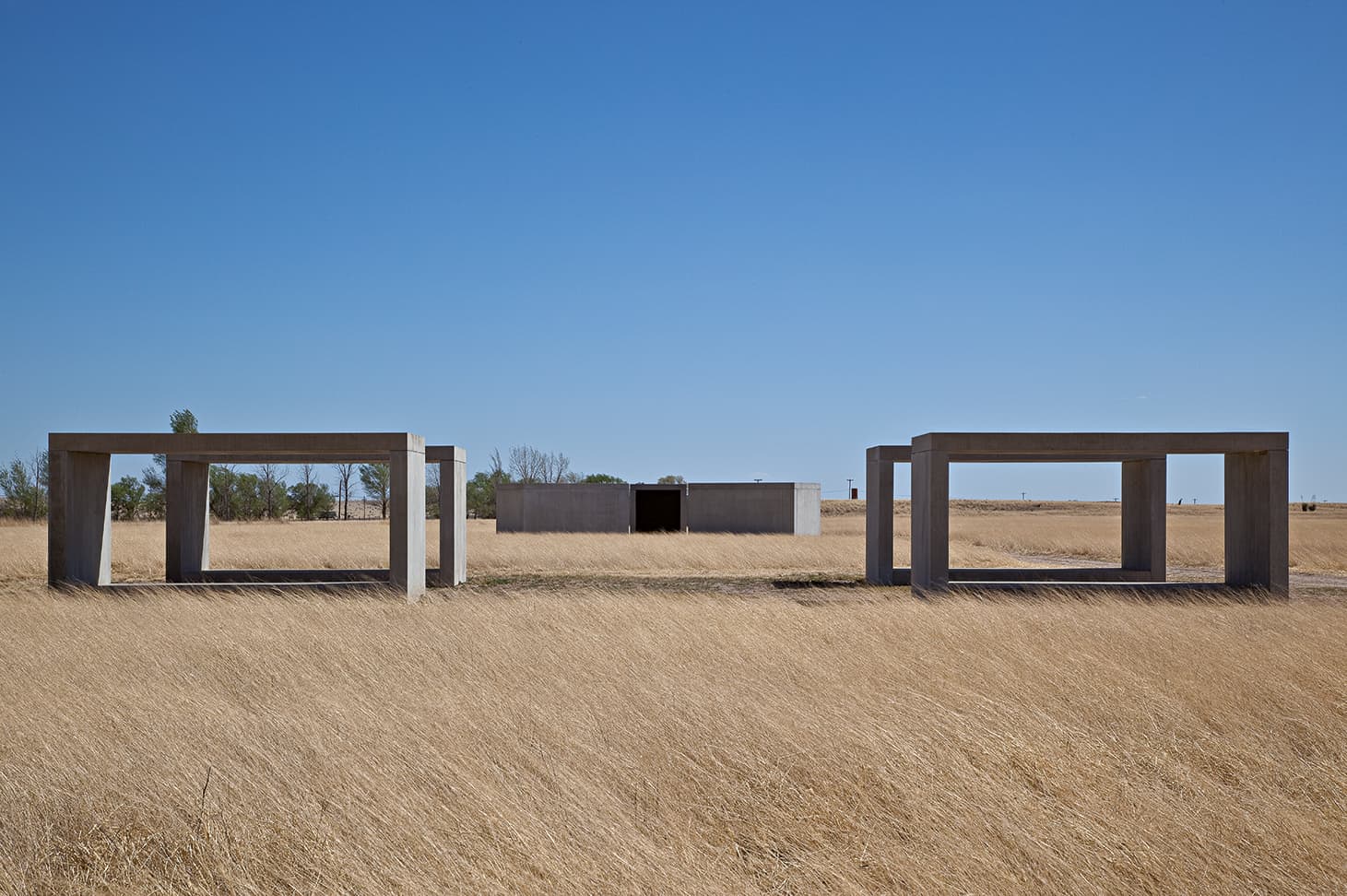
Serra came out of the same 1960s reduction as Judd but went in the opposite direction: where Judd removed the body from the work, Serra made the body the medium. The torqued forms were only buildable once ship-plate rolling machinery could handle the geometry, which is why they arrive in the 1990s and not the 1960s.
The steel is left to oxidise. The surface is a date: it is a different colour every year for the first decade.
WHAT TO NOTICE
- 01You cannot see it from outsideThe exterior gives no information about the interior. That is not a trick of siting; the torque makes the two genuinely different, and it is why photographs of these fail.
- 02The lean reversesWalk the inside wall and the surface tips away, then over you. Nothing moves except you, which is the entire content.
- 03One plate, no jointsEach is a single rolled sheet. There is no corner, no seam and nothing to read as construction, so the mass has no scale cues.
- 04Rust as timekeepingThe oxide layer is the finish and it is still forming. The colour tells you roughly how old the installation is.
- 05Sound insideThe curved steel focuses and delays your own footsteps. The interior is audibly a different room from the gallery around it.
CONNECTIONS
- TWO REDUCTIONSUntitled concrete works / Donald Judd
Judd took the body out of the work and composed with interval. Serra made the body the medium and composed with lean. They start from the same 1960s position and end at opposite conclusions about where sculpture happens.
- MASS AGAINST THE BODYSainte-Bernadette du Banlay / Claude Parent + Paul Virilio
A surface that tips over you as you move, and a floor that will not let you stand level. Both use weight to make the body aware of itself rather than to impress it.
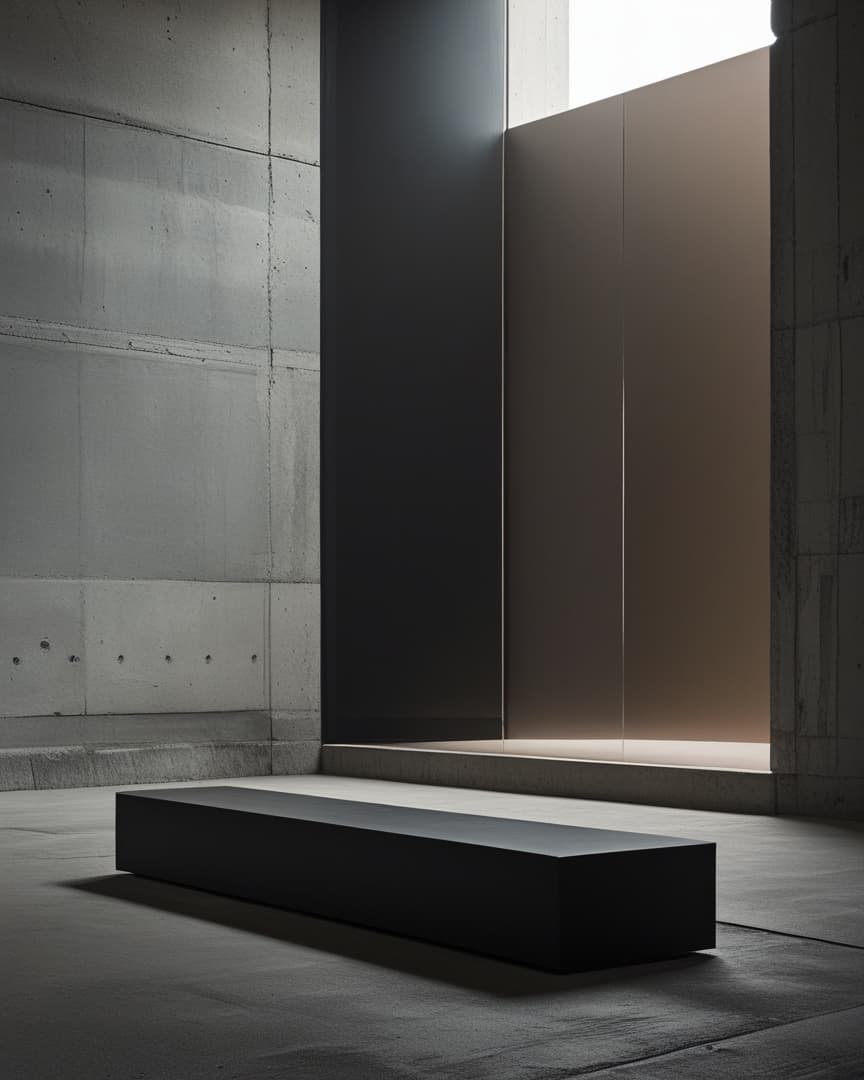
- VISUAL WEIGHTSevere Futurism — interior formula / SIMULACRA.BLACK
Serra is the extreme case of the formula's count rule: one object, enormous, with nothing else in the room, and the space around it doing as much work as the steel.
EXPLORE FURTHER
- OFFICIAL / GagosianRichard Serra
Installation documentation, which is the only usable substitute for walking into one.
- MUSEUM / TateRichard Serra
Concise account of the shift from process work to the large steel pieces.
RELATED SIGNALS
RELATED ENTRIES
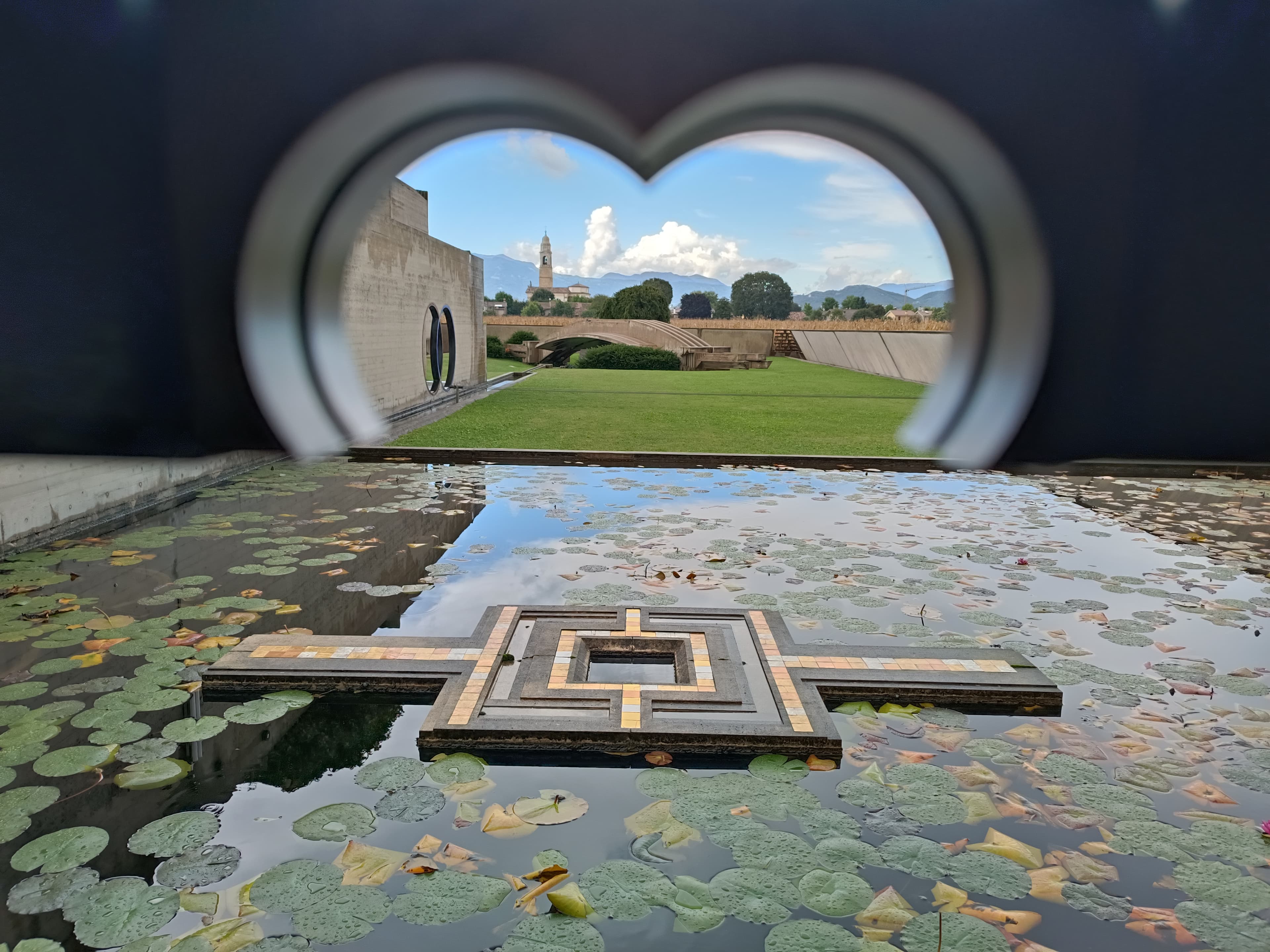
SB-ARC-001
Brion Cemetery
Carlo Scarpa · 1969–1978
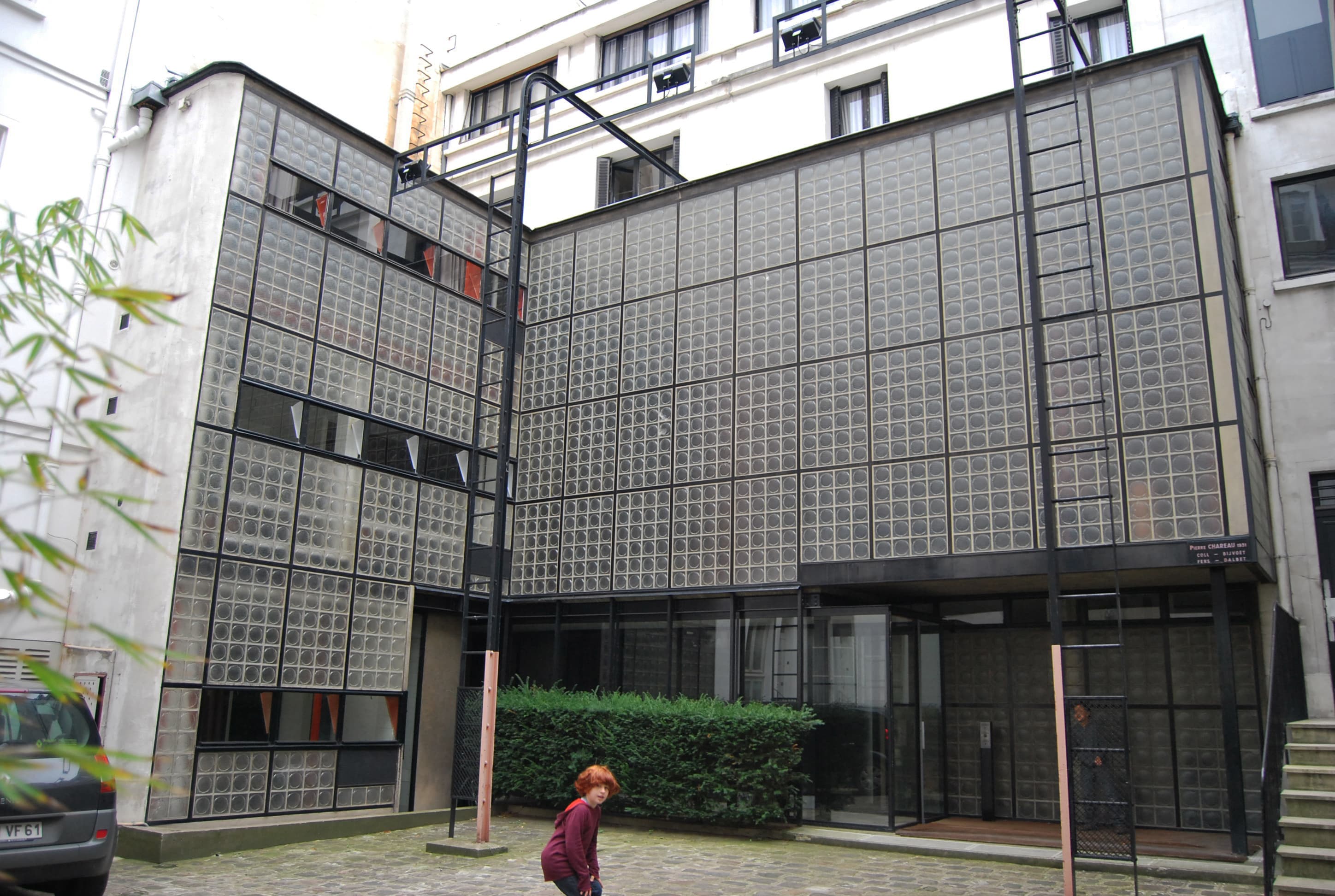
SB-INT-001
Maison de Verre
Pierre Chareau + Bernard Bijvoet · 1928–1932
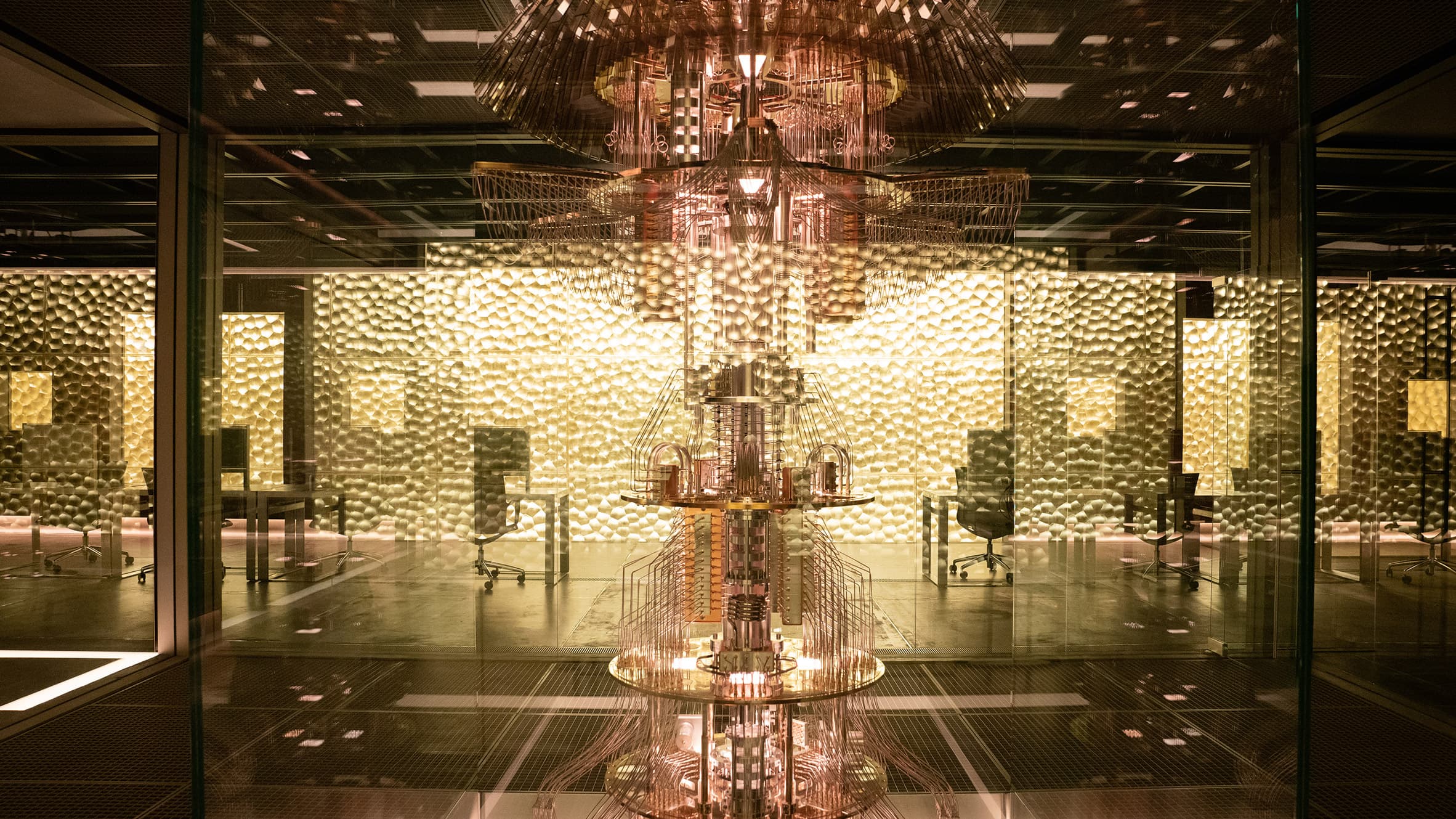
SB-TV-001
Devs
Alex Garland · 2020
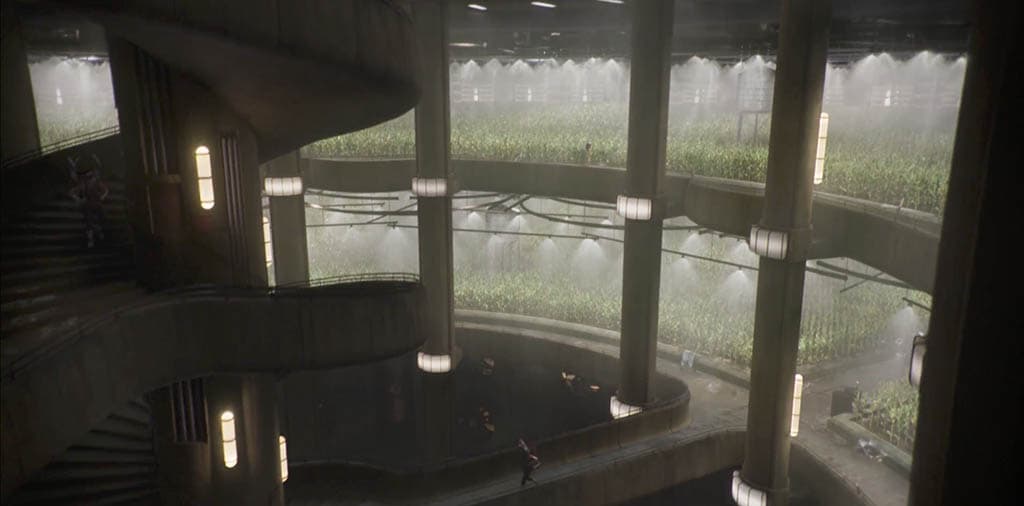
SB-TV-004
Silo
Graham Yost · 2023–
SB-PER-001
Severe Futurism — interior formula
SIMULACRA.BLACK · 2026
SB-SND-005
Ryoji Ikeda
Ryoji Ikeda · 1995–
SB-ART-001
Untitled concrete works
Donald Judd · various

SB-ARC-006
Church of the Light
Tadao Ando · 1989