Stalker
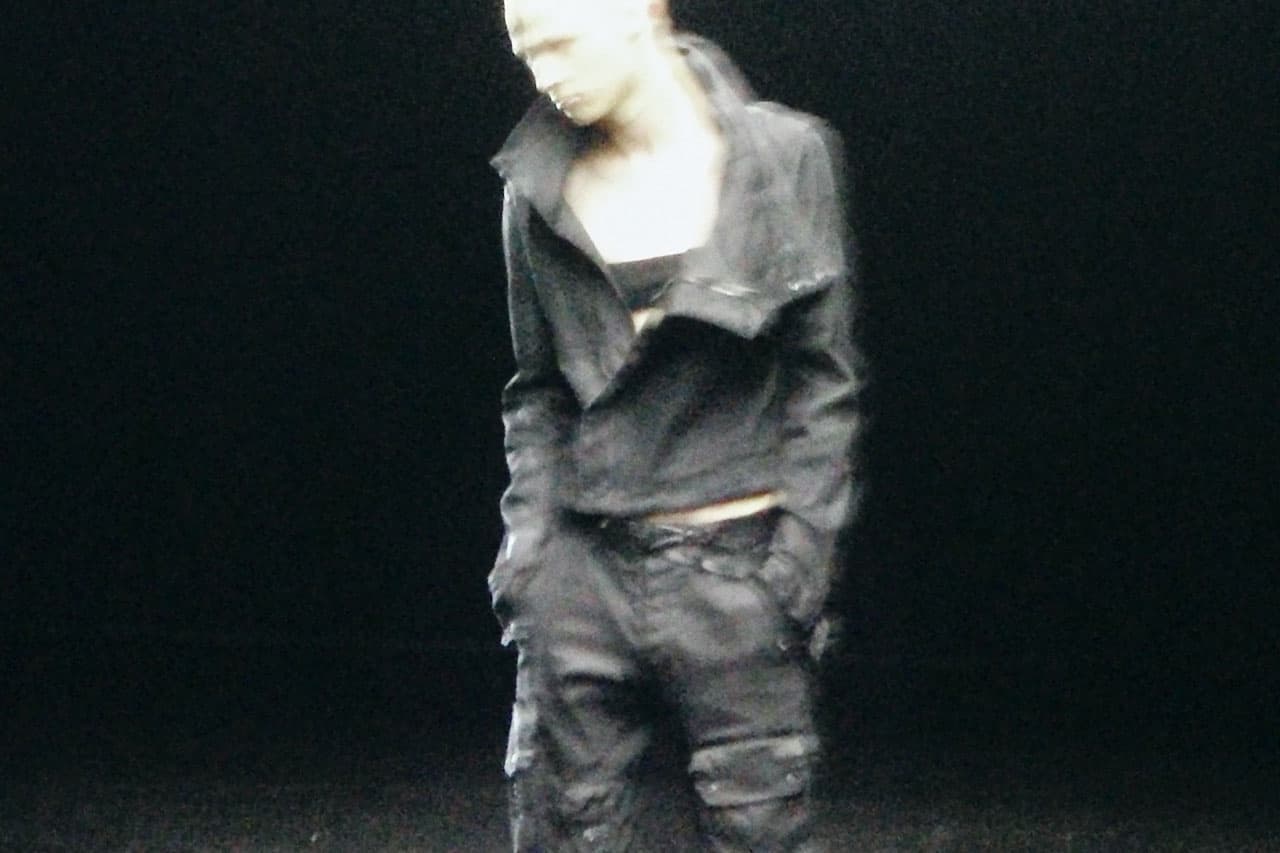
Stalker (1979). Smoke around the abandoned hydroelectric plant, the first building the men reach in the Zone.
PHOTOGRAPH Still: Stalker (1979), as published by the BFI / bfi.org.ukReferenced from its source. Rights not established by SIMULACRA.
Plates 3
Overview
Andrei Tarkovsky's 1979 feature, the last he made in the Soviet Union. A guide known as the Stalker leads a writer and a professor into the Zone, the restricted site of an old disaster, toward a Room said to grant a person's deepest wish. It is a loose adaptation of Arkady and Boris Strugatsky's novel Roadside Picnic, and the brothers wrote the scenario.
The town outside the Zone is filmed in sepia monochrome and the Zone in colour. There is almost nothing futuristic on screen. The Zone is wet ground, overgrown ruins and the debris of people who came before.
Why it matters
A guided walk through ruined industrial ground toward a room that may grant a wish. Procession and ruin do the work that hardware does in other science fiction.
Credits
What to notice
- Sepia to colour with no cutThe film moves from the town's sepia into the Zone's colour during one long tracking shot, under Eduard Artemyev's music. There is no fade or jump. Try to find the exact frame where it changes.
- Only human relicsThe novel's Zone is full of alien artefacts. Tarkovsky's holds only things people left behind, half taken back by grass and water. The science fiction is in what is missing.
- UN on the chimneyAt the entrance to the Zone, Tarkovsky had the letters UN painted on the power station's chimney. When the BFI visited in 2019 the rail tracks were gone and the letters were still there.
- Monochrome inside the ZoneWhen the three men lose their bearings and sleep, the film slips back into brown monochrome, and the black dog comes through the canal. The colour code is not a simple inside and outside.
- Glasses on the table
Contains a spoiler. Show it
In the last scene the Stalker's daughter sits at the kitchen table and three glasses move across it by themselves. The film gives no explanation.
Historical context
Tarkovsky first planned to shoot at an old mine in the Tian Shan foothills near Isfara, Tajikistan, until an earthquake made it unusable months before production. He moved to Estonia. Much of the Zone was filmed near Jägala-Joa, and the first building the men reach is one of two abandoned hydroelectric plants used in the shoot, partly blown up during the Second World War. The entrance to the Zone is Tallinn's former Central Power Station, now the Kultuurikatel culture centre.
After about a year of outdoor shooting, the footage came back from Moscow improperly developed and unusable, and the scenes were shot again. Tarkovsky died of lung cancer in December 1986. Vladimir Sharun, who did the film's sound, believed that Tarkovsky, the actor Anatoly Solonitsyn and Larissa Tarkovskaya fell ill from shooting downstream of a chemical plant. That is his belief, reported by the BFI, not an established cause.
Connections
Formal resemblance
- Torqued Ellipses, Richard Serra
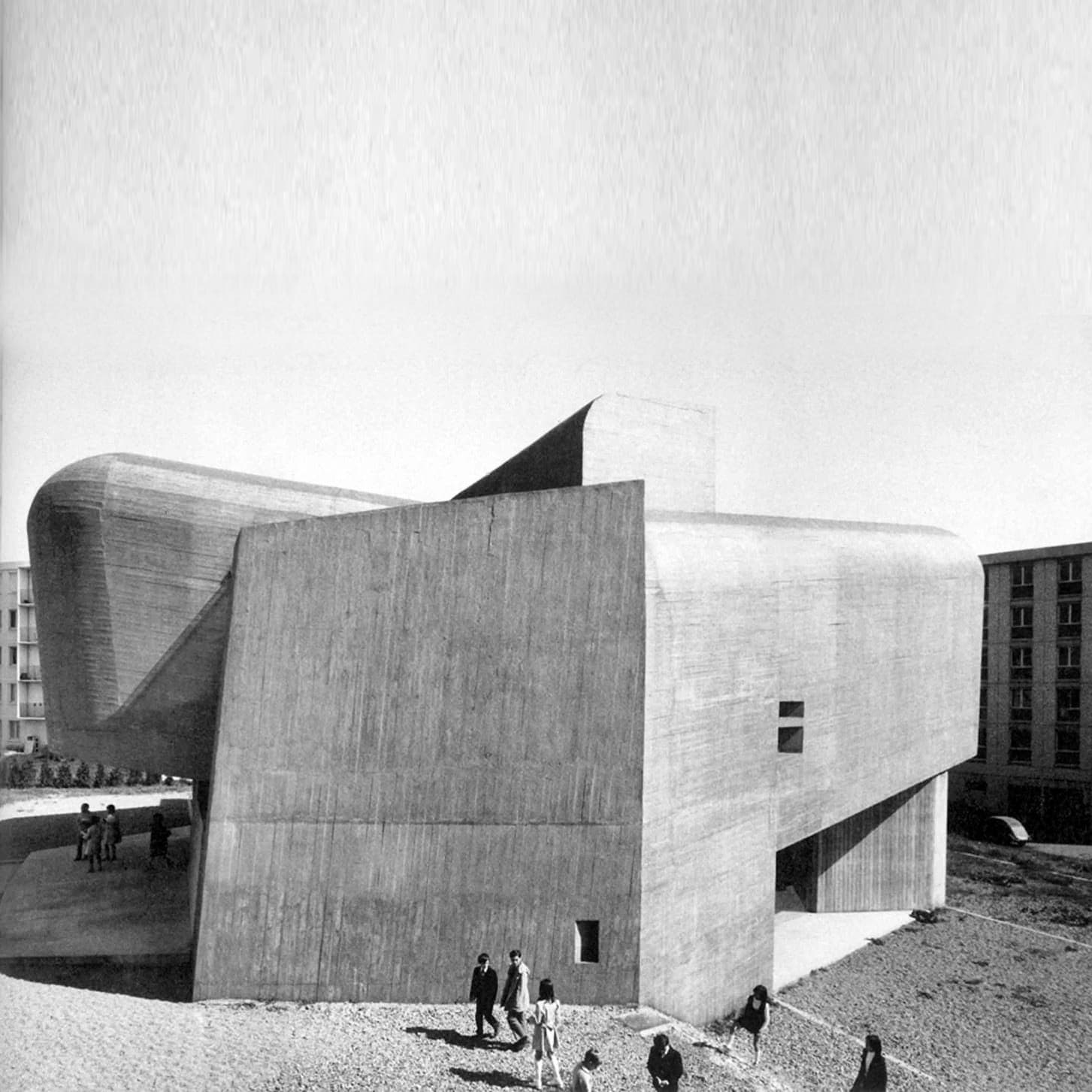
Serra's steel has to be walked to be understood, and Stalker is built as a walk toward one room. A likeness of method only; no source connects them.
- Brion Cemetery, Carlo Scarpa
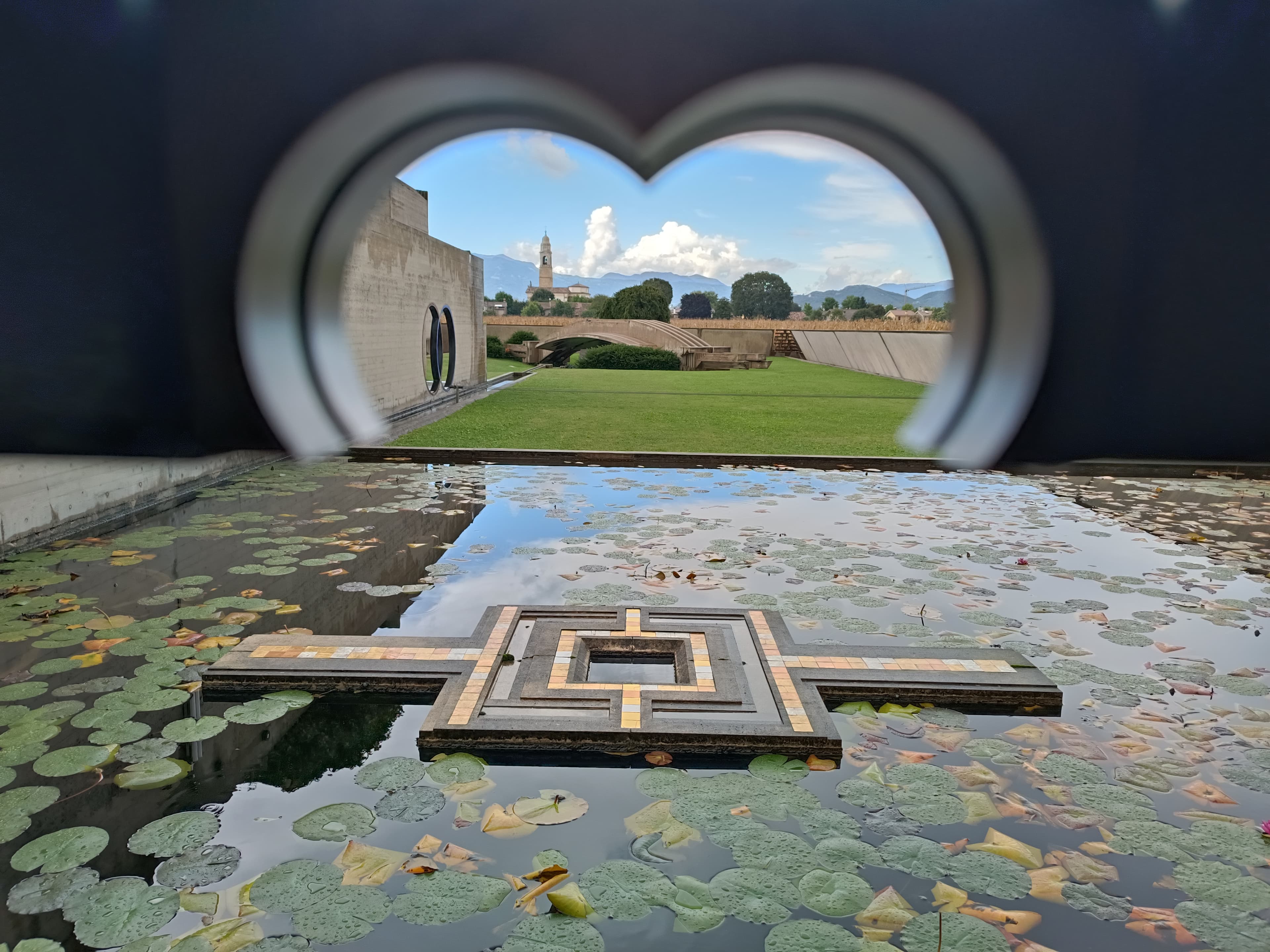
Both arrange a slow route toward a threshold and charge plain materials with ceremony. Scarpa does it with concrete and water; Tarkovsky with ruins and a river. Resemblance only.
- Raised by Wolves, Aaron Guzikowski
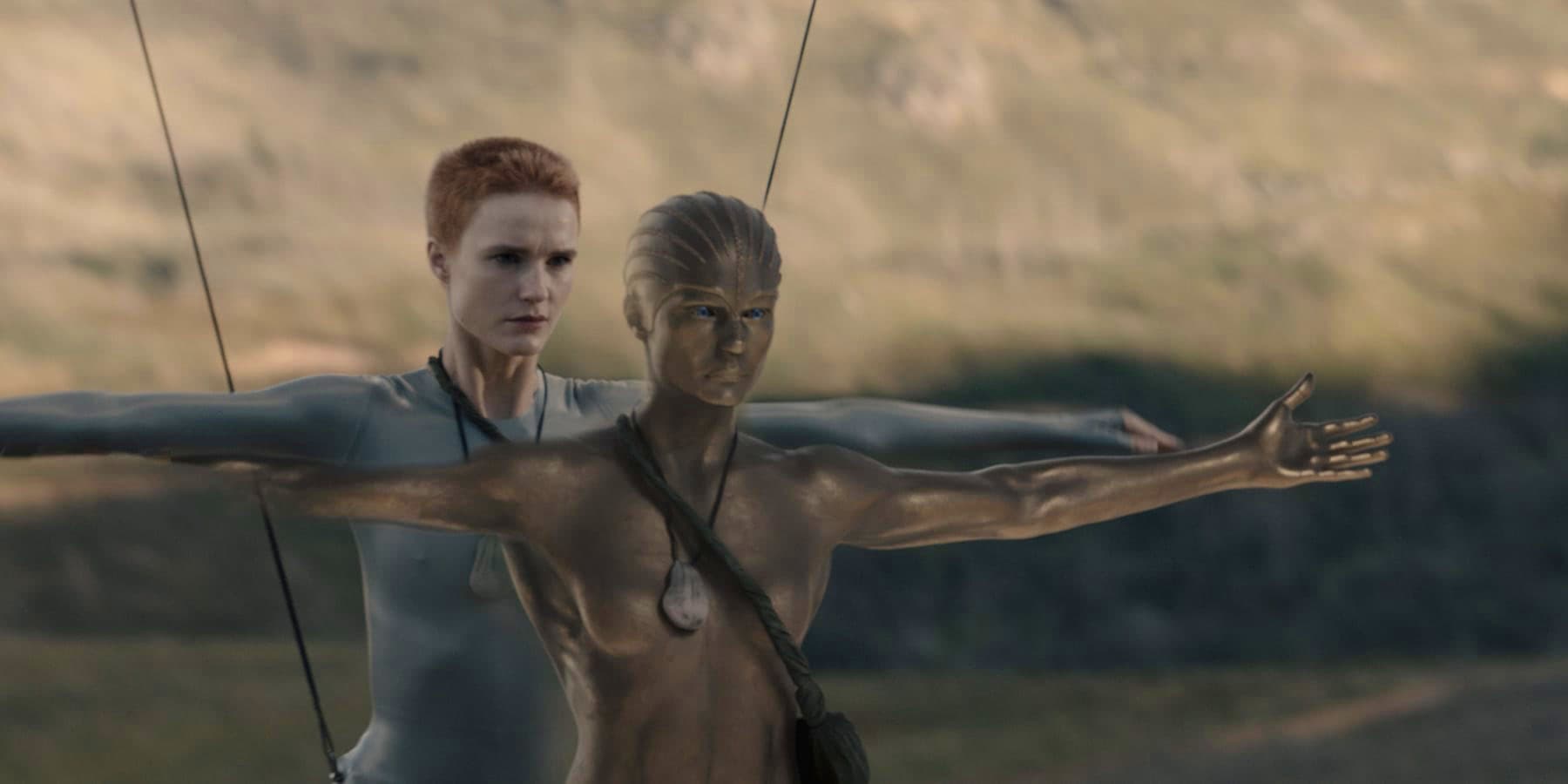
Both put ritual and belief into an empty, damaged landscape instead of a high-technology one. Resemblance only; no influence is claimed.
Sources and further exploration
- criterion.com
- Stalker: in search of Tarkovsky's Soviet sci-fi locations
Patrick Gamble, 7 May 2019. Then-and-now photographs of each location.
- Stalker
Spine 888. Includes 2000 interviews with set designer Rashit Safiullin and composer Eduard Artemyev.