Carceri d'invenzione (Imaginary Prisons)
Prisons drawn as architecture that keeps going past the edge of the sheet, so the confinement comes from too much space rather than too little.
The Round Tower, from the Carceri d'invenzione, first state, ca. 1749–50. Plate III in the 1761 edition. Etching, engraving, sulphur tint or open bite, burnishing. Plate 54.5 x 41.5 cm.
PHOTOGRAPH Giovanni Battista Piranesi / metmuseum.org / CC0 1.0 (Met Open Access, public domain)
Plates 3
Overview
A suite of large etchings of prison interiors that never existed. Stairs climb around towers, bridges cross gulfs, ropes and pulleys hang from vaults, and small figures move through spaces too big to measure. The first edition, of around 1749–50, had 14 plates, untitled and unnumbered, published in Rome by Giovanni Bouchard.
In 1761 Piranesi reissued the set under his own name. He reworked every plate and added two new ones, the Man on the Rack and the Lion Bas-Reliefs, making 16, now numbered. The images shown here are first states from the earlier edition, held by the Metropolitan Museum of Art.
What to notice
- Stairs that do not arriveIn the Round Tower the stairs wrap the tower and hand you on to walkways and further flights. Follow any one of them and it leaves the frame or disappears behind masonry before it reaches a floor.
- Figures for scaleThe people are a few millimetres tall on a plate over half a metre high. They are the only measure of the space, and they make it read as vast.
- Machinery with no jobRopes, pulleys, a crane arm and a hanging drawbridge fill the Drawbridge plate. None of it is shown doing anything. It hangs there as a threat.
- Portrait, then landscapeIn the numbered edition plates I to IX are upright and X to XVI are wide. The Pier with Chains, plate XVI, is low and horizontal, and the vault presses down instead of rising.
- Two versions of every plateThese are first states, with open, quick line. For the 1761 edition Piranesi reworked each copper with heavier tone and more detail, so the same prison exists twice, lighter and darker.
Historical context
Piranesi was born in Mogliano Veneto in 1720 and died in Rome in 1778. On the title of the 1761 edition he signs himself a Venetian architect. The Carceri are architecture that exists only on the copper plate.
The plates found a second life in English Romantic writing. In his Confessions of an English Opium-Eater, published in 1821, Thomas De Quincey recalls Coleridge describing a set of Piranesi plates he called the Dreams, with stairs climbing on and on "until the unfinished stairs and Piranesi both are lost in the upper gloom of the hall." De Quincey says he was describing them only from memory of Coleridge's account.
Connections
Formal resemblance
- Silo, Graham Yost
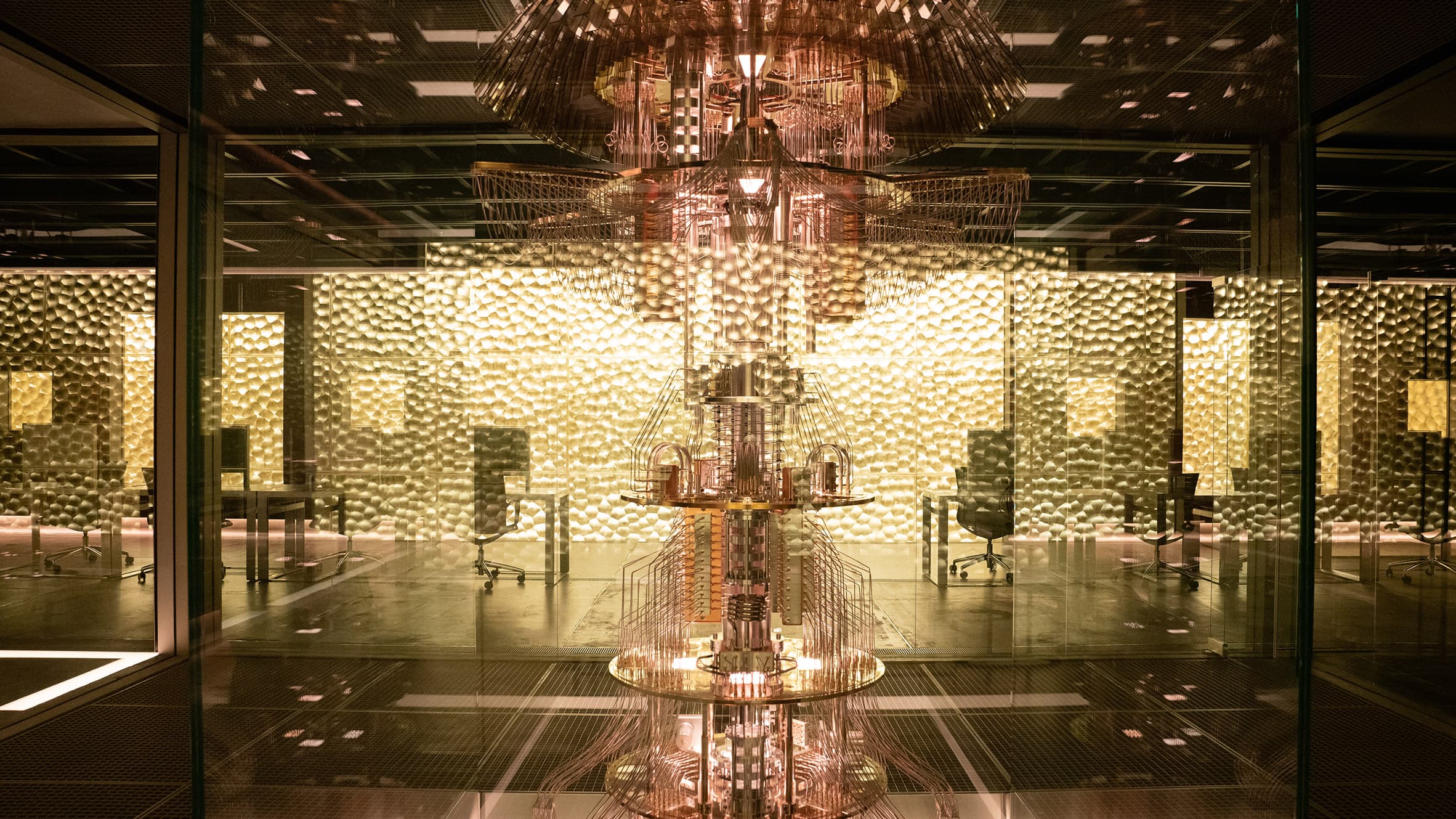
Silo is organised around one concrete staircase coiling down through 144 buried levels. Both make a stair the spine of a closed world. No source links the show to Piranesi.
- Torqued Ellipses, Richard Serra
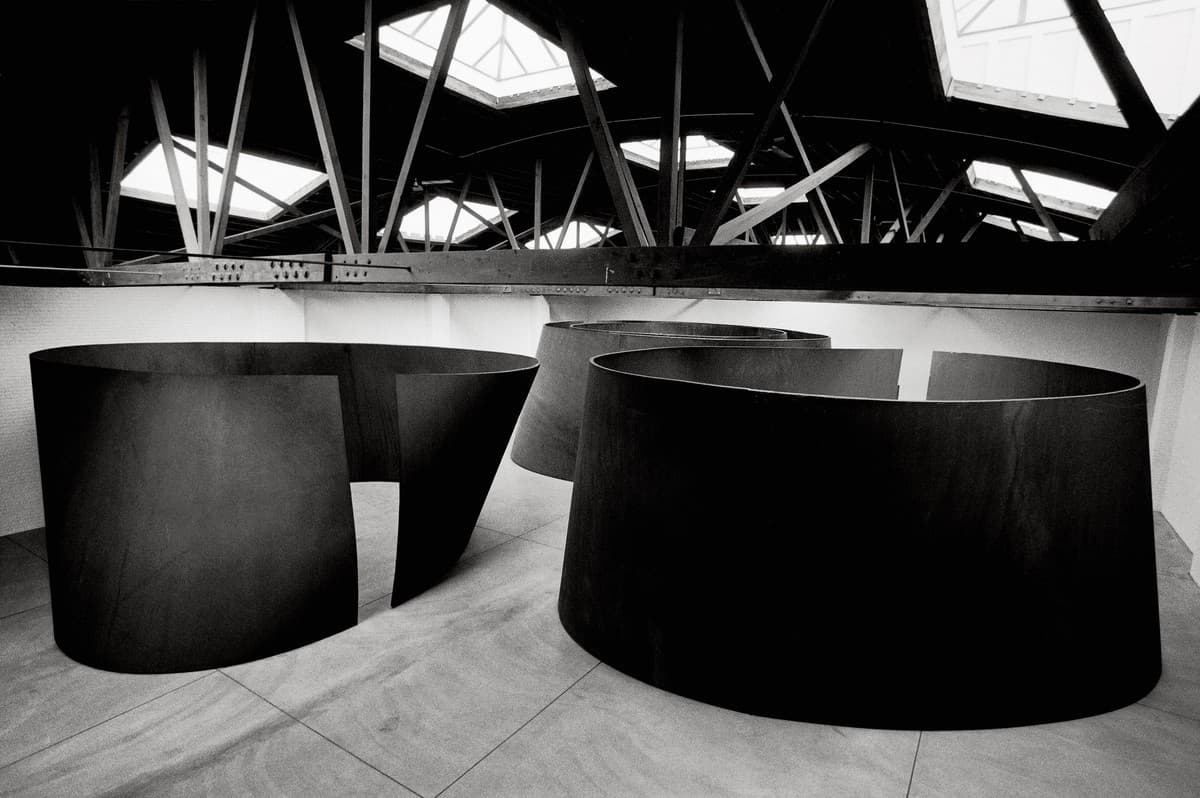
Serra's interiors cannot be read from outside, and Piranesi's prisons cannot be assembled into one consistent plan. In both the space is understood only by moving through it, or imagining doing so.
- City by Michael Heizer, Michael Heizer
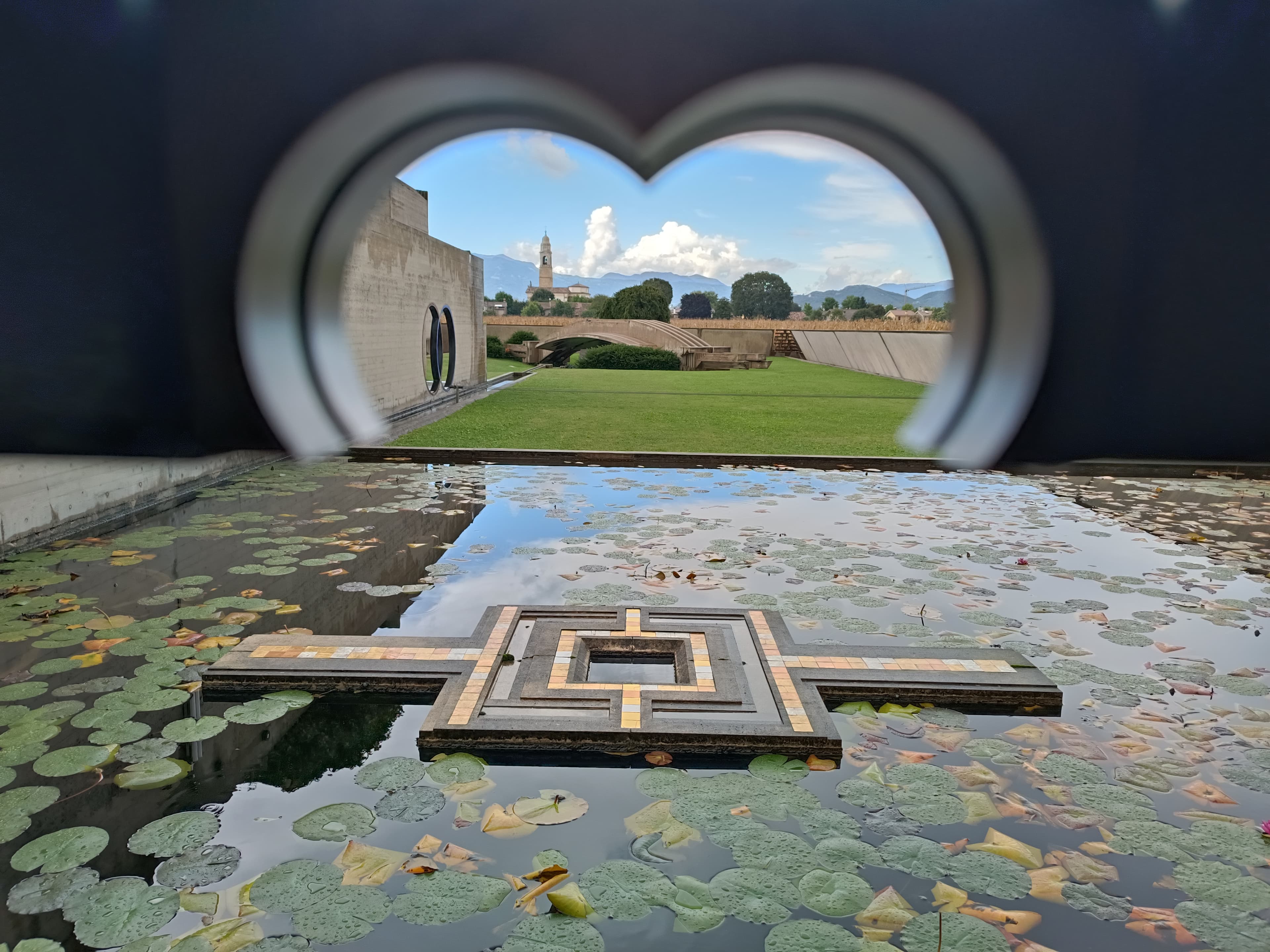
Both present monumental architecture for an institution that never existed. Piranesi's exists only on the plate, Heizer's is built in the desert.
Sources and further exploration
- metmuseum.org
- The Round Tower, from "Carceri d'invenzione" (Imaginary Prisons)
First state, with full medium and dimensions.
- Carceri d'invenzione di G. Battista Piranesi archit. vene
Catalogue record for a second-edition copy, with notes on the 1761 edition and its issues.
- Confessions of an English Opium-Eater
Thomas De Quincey's passage on Coleridge's account of the plates.