SOURCE vogue.comReferenced from its source. Rights not established by SIMULACRA.
PLATES 9
Body Meets Dress, Dress Meets Body
Rei Kawakubo / Comme des Garçons · Spring/Summer 1997
OVERVIEW
Rei Kawakubo's spring/summer 1997 collection for Comme des Garçons, immediately nicknamed Lumps and Bumps. Stretch gingham and nylon dresses carried down-filled pads inserted at the shoulder, the spine, the hip and the stomach, displacing the body into shapes that belong to no anatomy.
The press read it as deformity. Kawakubo's position was simpler and stranger: the dress and the body are two things that meet, and there is no reason the body should win.
WHY IT MATTERS
The collection that treated the human silhouette as a variable rather than a given, and made every later discussion of altered anatomy possible.
CONTEXT
Kawakubo showed in Paris from 1981 alongside Yohji Yamamoto, to the same hostile reception. Comme des Garçons has since run as a group of lines under her direction, with Junya Watanabe and Kei Ninomiya trained inside it.
Merce Cunningham used the garments in Scenario the same year, which is the clearest evidence that they were never about fashion silhouette alone: they change how a body can move.
WHAT TO NOTICE
- 01The padding is not symmetricalPads sit at different places on different looks. There is no repeated ideal figure being proposed, only displacement.
- 02Cheerful cloth, difficult shapeGingham and pastel stretch against a form the press called grotesque. The friction between the two is the collection.
- 03It changes the walkWatch the runway footage rather than stills. Weight at the spine or hip alters gait, which is why Cunningham could choreograph with it.
- 04No tailoringNothing here is cut to a body. The garment is a volume the body is placed inside, which is the opposite of the tradition it was shown against.
CONNECTIONS
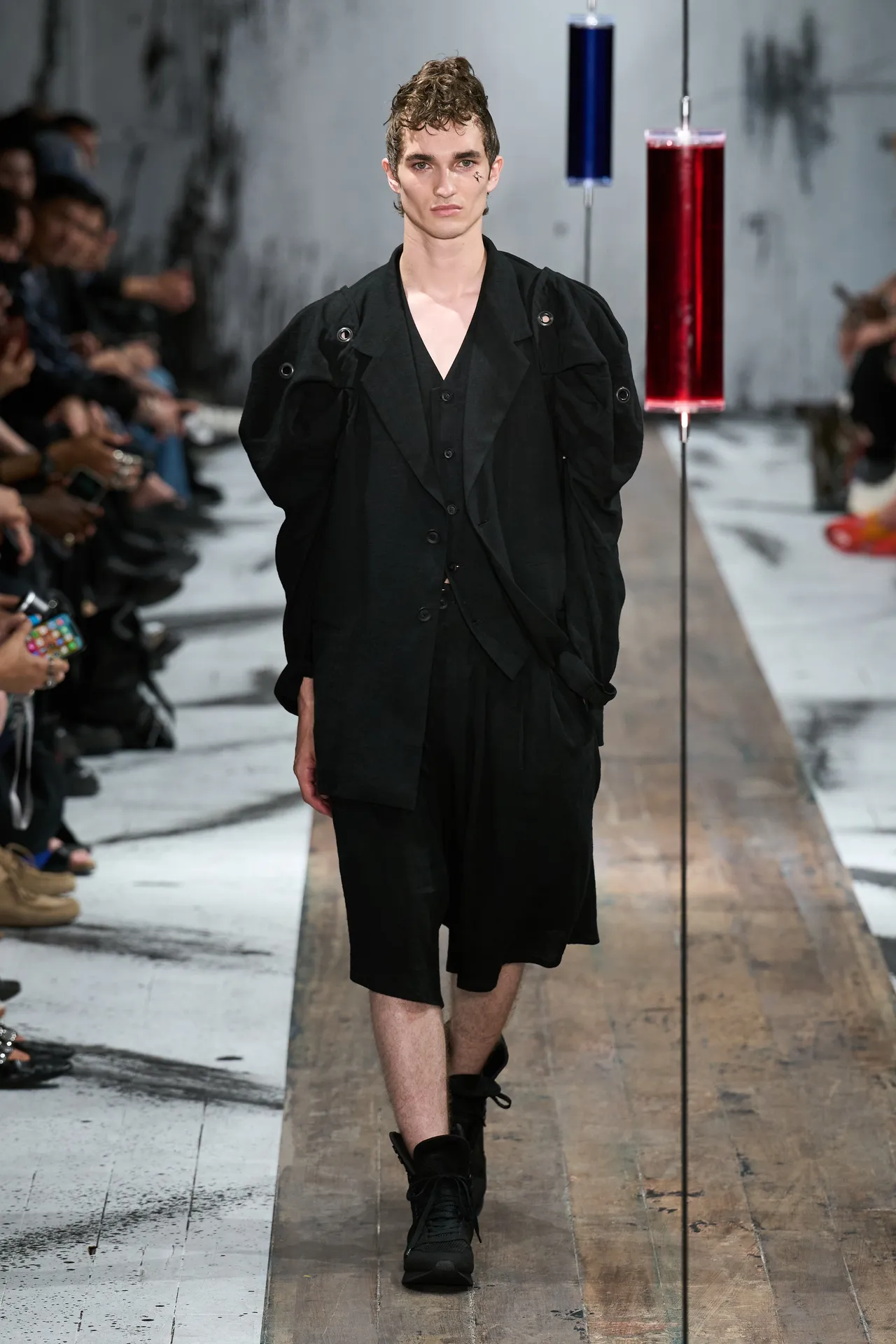
- THE SILHOUETTE IS A VARIABLEYohji Yamamoto — black volume / Yohji Yamamoto
Paris 1981 produced both positions. Yamamoto designs the volume of air between cloth and figure; Kawakubo moves the figure itself. One negotiates with the body, the other declines to.
- THE ARRANGEMENT IS ASSIGNEDBody without Organs / Gilles Deleuze + Félix Guattari
Kawakubo's padding displaces the anatomy the garment trade treats as given. That is Deleuze and Guattari's point in cloth: what looks like a natural body turns out to be a settled organisation.
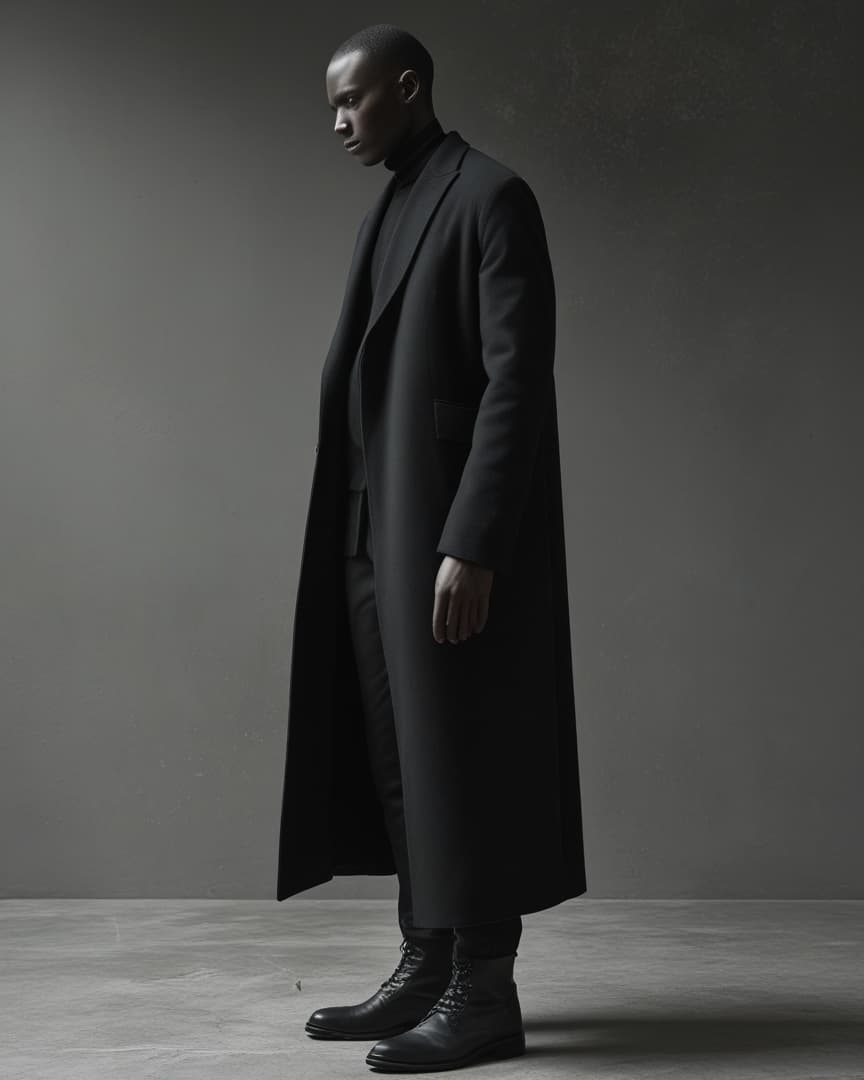
- SILHOUETTE AS A VARIABLESevere Futurism — wardrobe formula / SIMULACRA.BLACK
Kawakubo is why the 10 can be form rather than colour. Once the outline itself can be distorted, a wholly black outfit still has somewhere to put its disruption.
EXPLORE FURTHER
- OFFICIAL / Comme des GarçonsComme des Garçons
The house's own site. Deliberately sparse, which is itself accurate to the subject.
RELATED SIGNALS
RELATED ENTRIES
SB-FAS-003
Yohji Yamamoto — black volume
Yohji Yamamoto · ongoing
SB-PER-002
Severe Futurism — wardrobe formula
SIMULACRA.BLACK · 2026
SB-ART-002
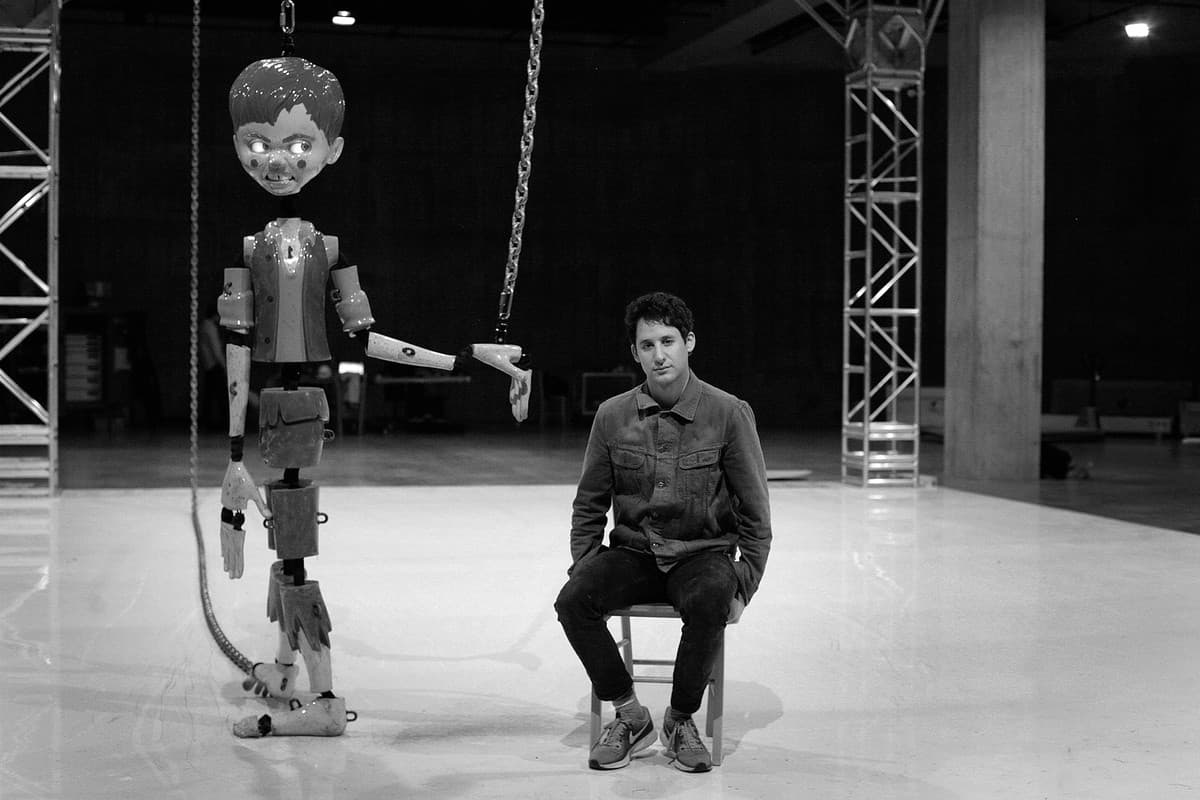
Jordan Wolfson — recent sculpture
Jordan Wolfson · 2026
SB-PER-001
Severe Futurism — interior formula
SIMULACRA.BLACK · 2026
SB-TXT-003
Body without Organs
Gilles Deleuze + Félix Guattari · 1980
SB-FIL-004
The Substance
Coralie Fargeat · 2024
SB-ART-003
Torqued Ellipses
Richard Serra · 1996–1999
SB-TV-003
Severance
Dan Erickson · 2022–